Compare empty weight and usable space
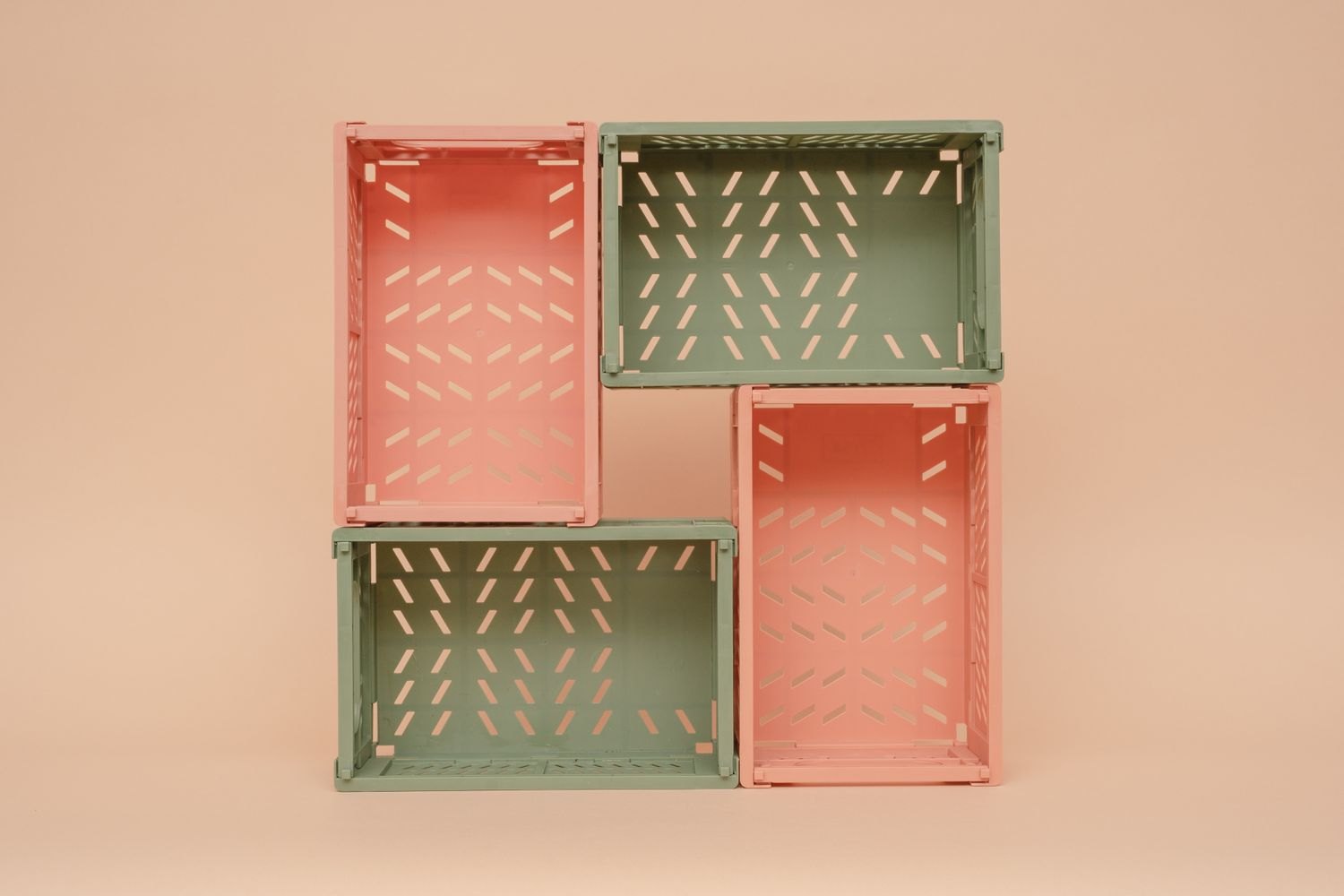
A robust plastic crate already weighs something before it is filled. Check the total weight with a representative load. Handles should remain accessible and have no sharp or damaged edges. A clipped lid is useful only when every fastening works properly.
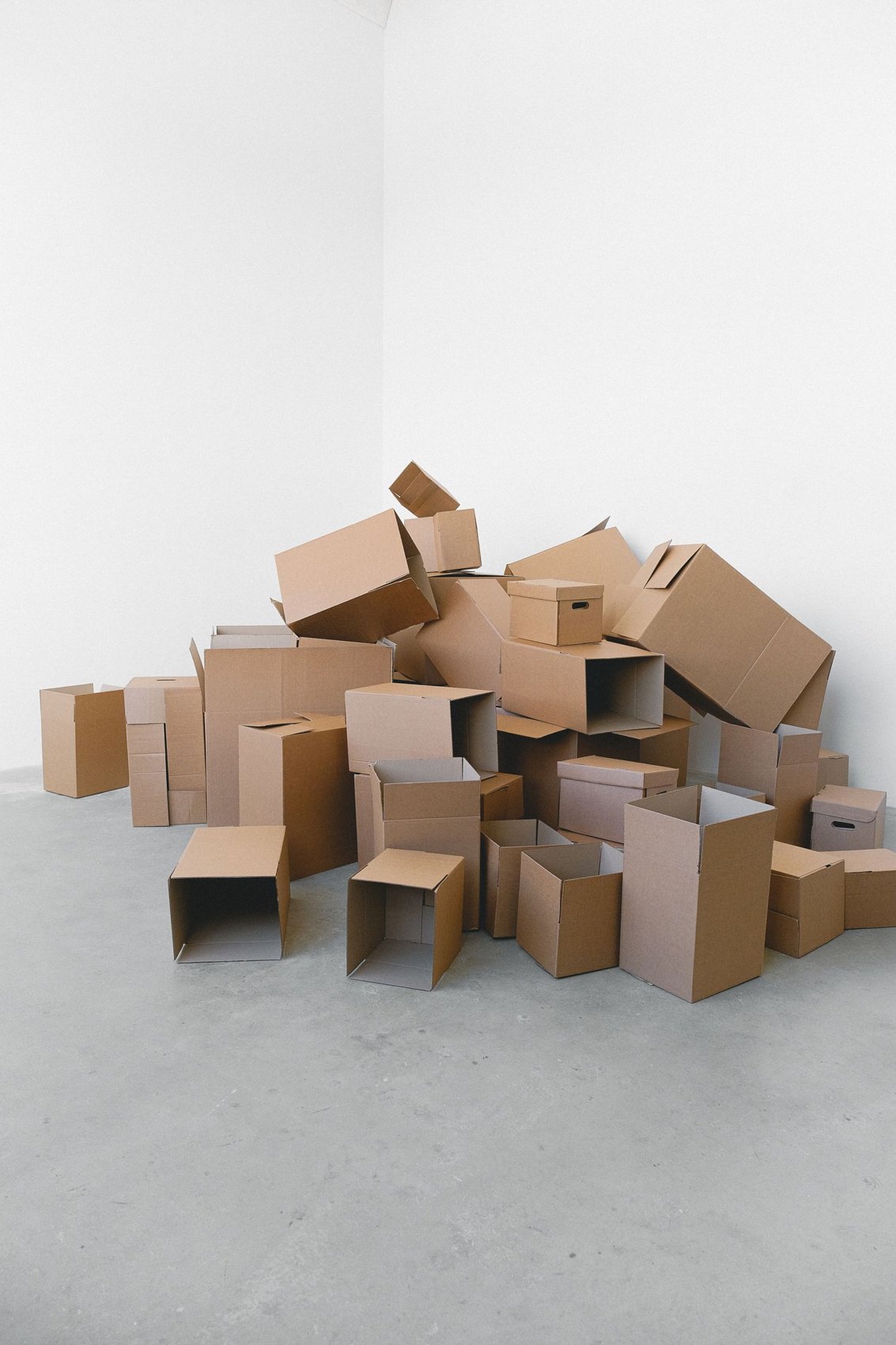
Compare internal measurements. Tapered walls and moulded handles reduce usable space. Cardboard boxes often have straighter internal surfaces but need a correctly assembled base. Both types require extra cushioning for delicate contents; hard plastic walls provide no cushioning on their own.
Avoid trapping moisture inside
A closed crate protects its contents only as far as its actual construction allows. Not every lid is watertight. Pack only dry items and inspect containers that have been stored outdoors. Trapped moisture remains a problem even when no rain enters from outside.
Dry storage is especially important for cardboard. Plan a brief, sheltered staging area for both types during loading and unloading. If delicate belongings are left on a wet pavement, your choice of container cannot be the only line of protection.
Plan for the day after unpacking
Cardboard boxes can be flattened when no longer needed. Empty crates need somewhere to stack or nest. For hired containers, check the return date, cleaning requirements and collection arrangements before using them to store items you rarely need.
Combine the systems if that simplifies your move: suitable crates for frequently moved belongings and cardboard for the remaining household contents. Consistent labels matter more than a single packaging material. Number both types using the same system so your inventory stays complete.