Identify the likely contact points
Walk the route with the furniture dimensions in mind. Frame corners, low lintels and projecting handles deserve particular attention. Check the second doorway beyond a corridor turn too, where visibility is often worse. Note which frames need protection instead of wrapping every visible surface without a plan.
Measure the clear opening with the door open. Allow for the extra thickness of padding. A sofa that only just fits without protection needs another route assessment. Pressure against a padded frame is still pressure against the frame and can damage both the building and the furniture.
Secure padding without harming finishes
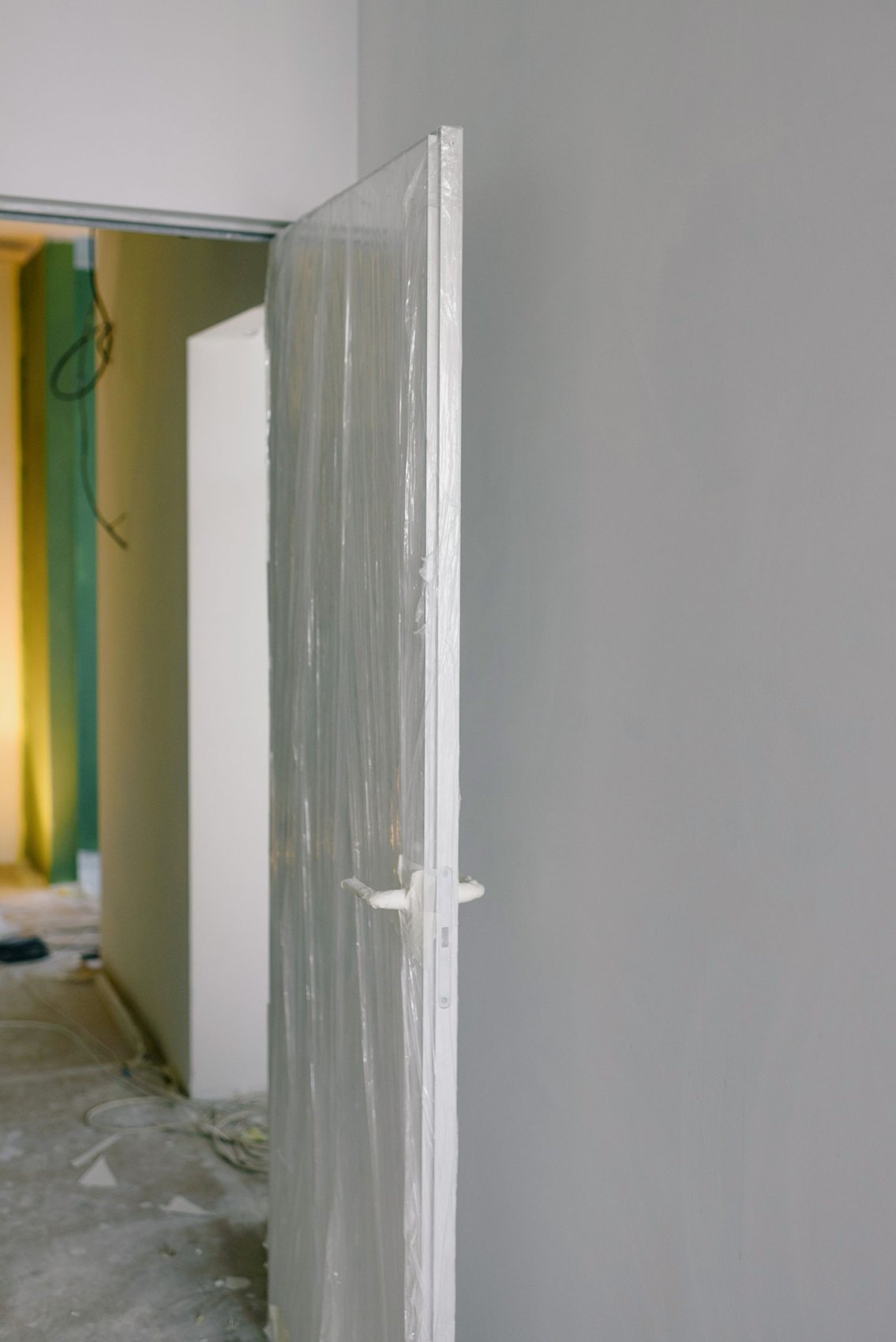
Use suitable corner protectors or clean padding that stays reliably in position. Where the product and finish allow it, test the fixing method in an inconspicuous place. Do not apply tape to painted frames, wallpaper or delicate coatings without checking suitability. Some protectors grip through their shape; others need a planned fixing method away from the delicate surface.
Keep loops and loose ends out of the opening. The door must still move in a controlled way. Padding should not enter hinges or the lock. Preserve access through necessary doorways and to handles so nobody catches on improvised wrapping while carrying furniture.
Keep a clear view during handling
Someone with an unobstructed view of the narrow point can give short, clear directions. Agree beforehand who will call the movement. Several conflicting instructions are unhelpful when a tabletop is already across the opening. Stop and check the position if anything makes contact instead of pushing harder.
Inspect the protection after each bulky piece passes. Refit shifted material and replace damaged padding. Remove it carefully at the end and check the surface underneath. A quick inspection before and after handling makes existing marks easier to identify and prevents scraps of adhesive being left behind. Keep removed protectors away from the walking route until they are packed away.