Check construction and condition
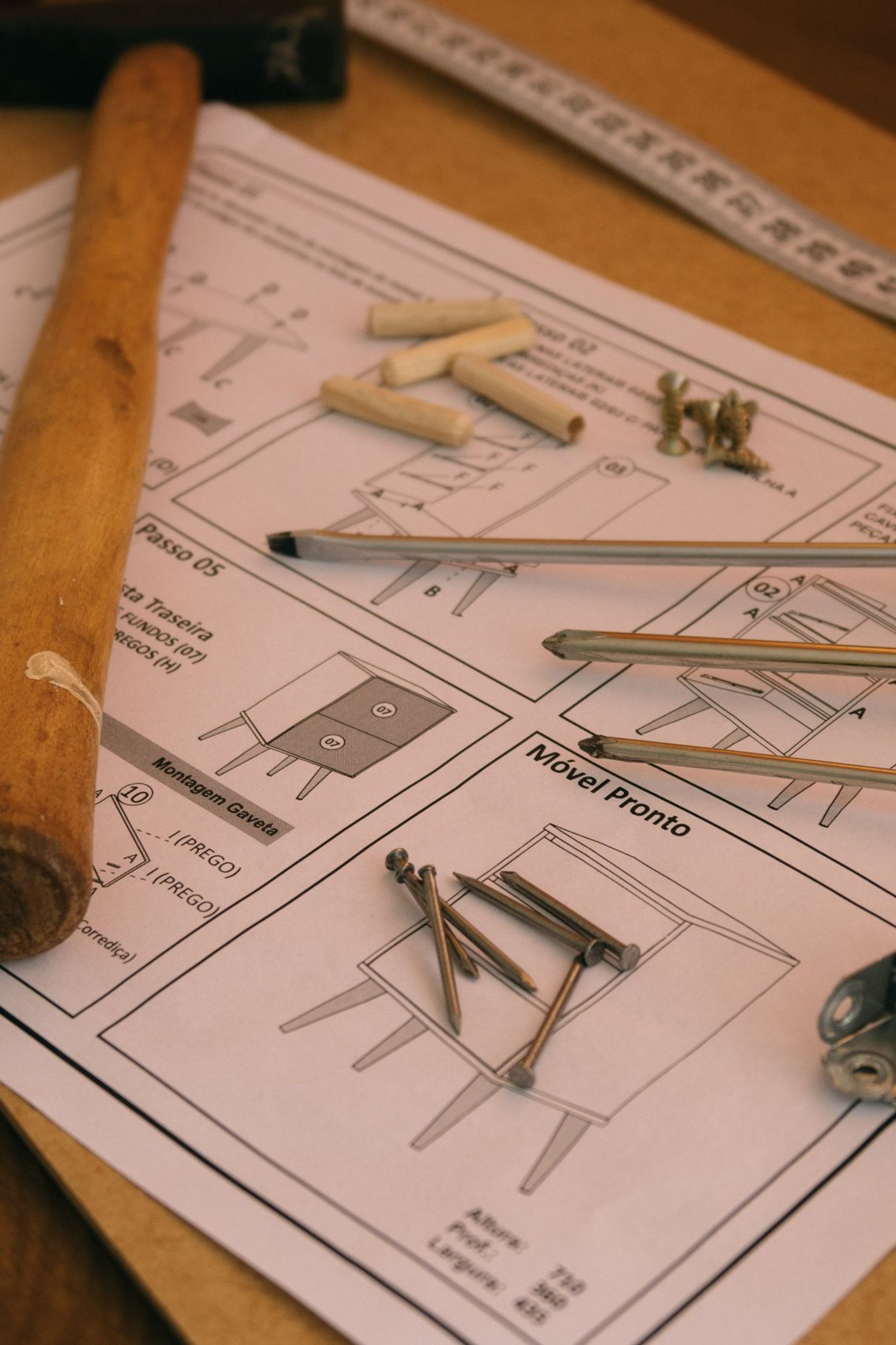
Find out whether the top rests loosely on pads, is screwed down or uses special connectors. Consult the table's instructions; a visible gap does not reliably identify the joint. Photograph supports and spacers. These small parts determine where the glass contacts the frame and should not disappear into mixed packing materials.
Look for visible damage along accessible edges without running fingers over potentially sharp areas. Cracks, chips or a particularly heavy top warrant competent assessment. Extra wrapping does not repair existing damage. Large or unusually shaped tops should have appropriate packaging and professional handling.
Prepare separate protection
If the manufacturer permits removal, arrange adequate support and a clear route first. Protect the clean, dry surface with suitable material and add firm edge protection. Keep hard fittings away from direct contact with the glass. Rigid outer packaging can improve protection, but it must match the size and weight.
Mark the package clearly as glass and indicate its intended orientation. The correct transport position depends on the panel, packaging and handling equipment; a universal rule is no substitute for product guidance. Tape crossed over the glass is neither substantial packaging nor a guarantee against breakage.
Restore all support points
Keep pads and fittings in their own labelled bag. Assemble the frame first and check that it stands firmly. Put the glass back only when every intended contact point is present and clean. Do not replace a missing rubber pad with a random scrap of paper.
Check the position and all specified connections before using the table. Unfold packaging carefully and keep it separate until the surface has been inspected. If the glass arrives damaged, keep people away from the area and arrange appropriate handling rather than continuing to use the tabletop provisionally. Do not load the surface while any question about its support remains unresolved.