Covered does not mean dry
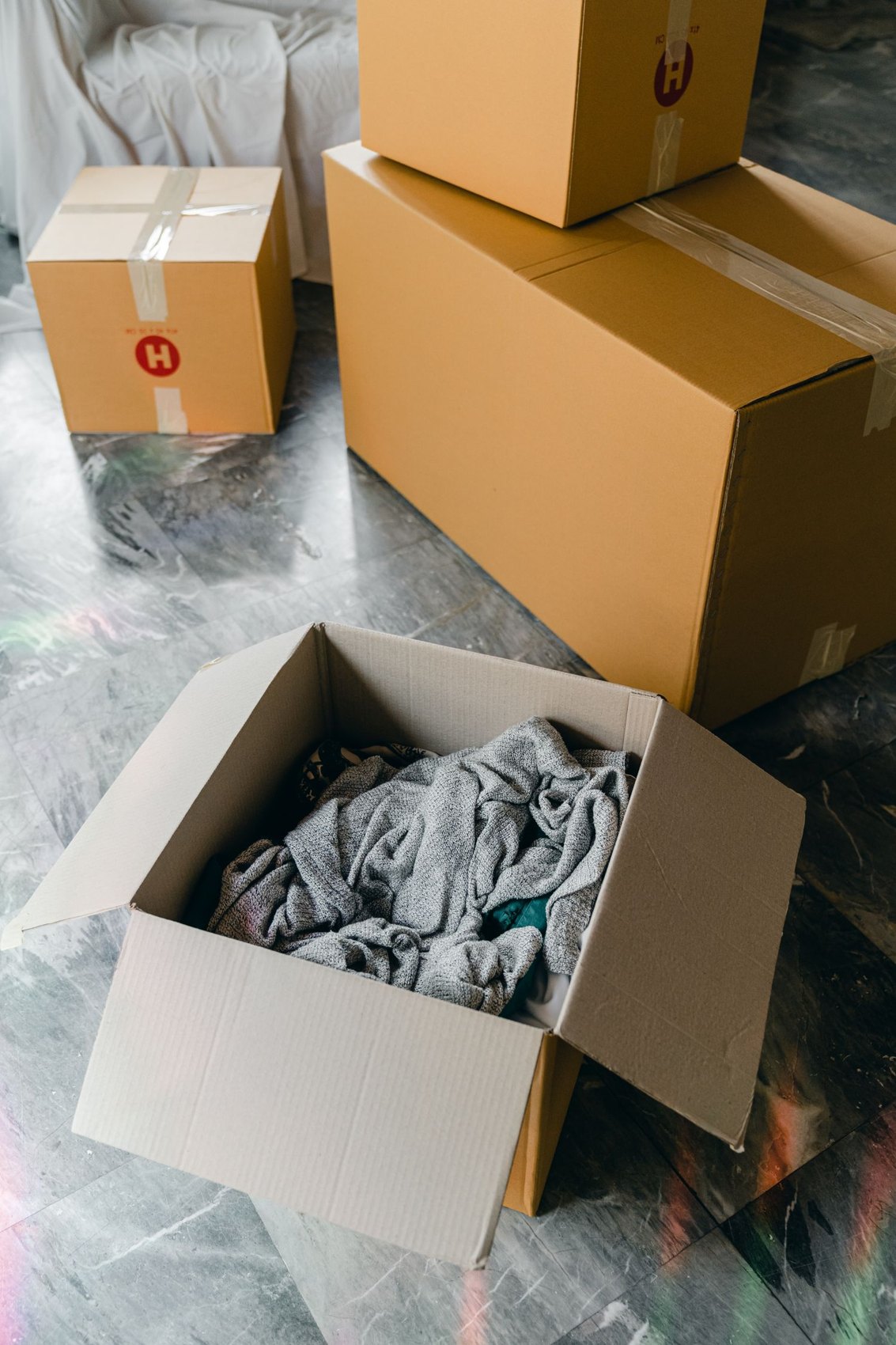
Wind can carry rain beneath a roof, and water can reach cartons along the floor. Cardboard absorbs moisture and loses shape and strength. A box that still looks acceptable outside may already have a softened base.
Placing packaging beside a wall does not automatically protect it. Consider conditions in different weather rather than relying on the first dry afternoon. Textiles, books and other moisture-sensitive belongings need suitable indoor storage. An additional plastic bag does not turn an ordinary carton into permanent weatherproof storage suitable for any kind of contents.
Keep temporary stops temporary
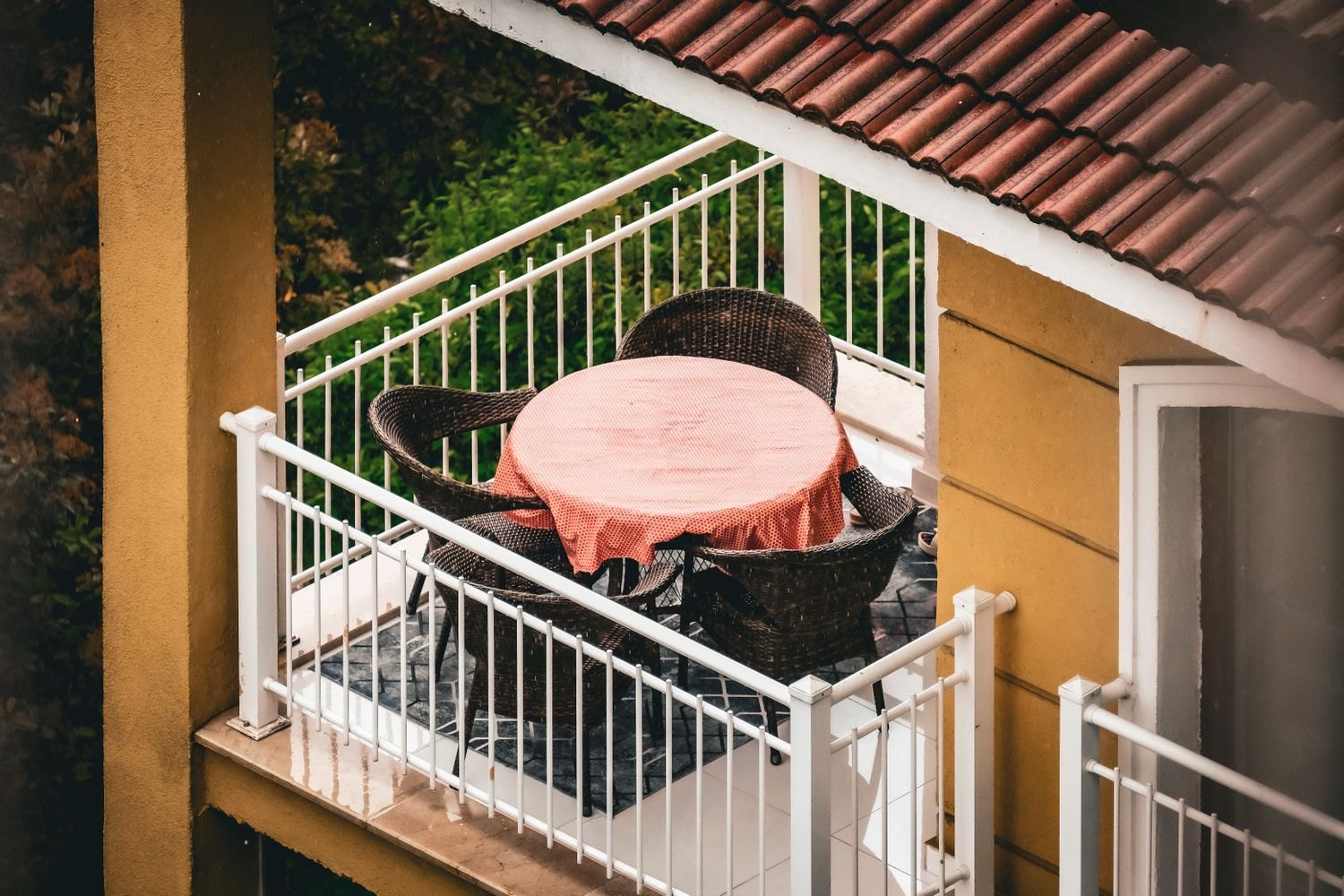
If something is briefly set on the balcony while carrying, keep it attended and bring it inside promptly. Leave doors, drainage points and walking routes clear. Do not stack boxes against the railing or leave loose pieces that wind could carry away. Choose a clear indoor area for the actual sorting process instead.
Check empty cartons, flatten them and collect them somewhere dry. If indoor space is full, passing usable cartons on promptly often helps more than finding another storage spot. Agree a collection time and retain only the spare quantity you genuinely need.
Inspect damp boxes individually
Do not simply lift a wet carton by its handles. Carefully remove weight where it stands and transfer vulnerable contents to a suitable dry area. Check belongings individually and follow their care instructions. Damaged cartons should not return to service as load-bearing moving boxes just because their surfaces eventually appear dry again.
Items intended for outdoor storage need suitable containers and locations. Follow their intended use and account for the balcony's conditions. Choose a solution around the actual contents rather than relying on whichever container happens to be cheap or already available in your home.