Make destination rooms obvious
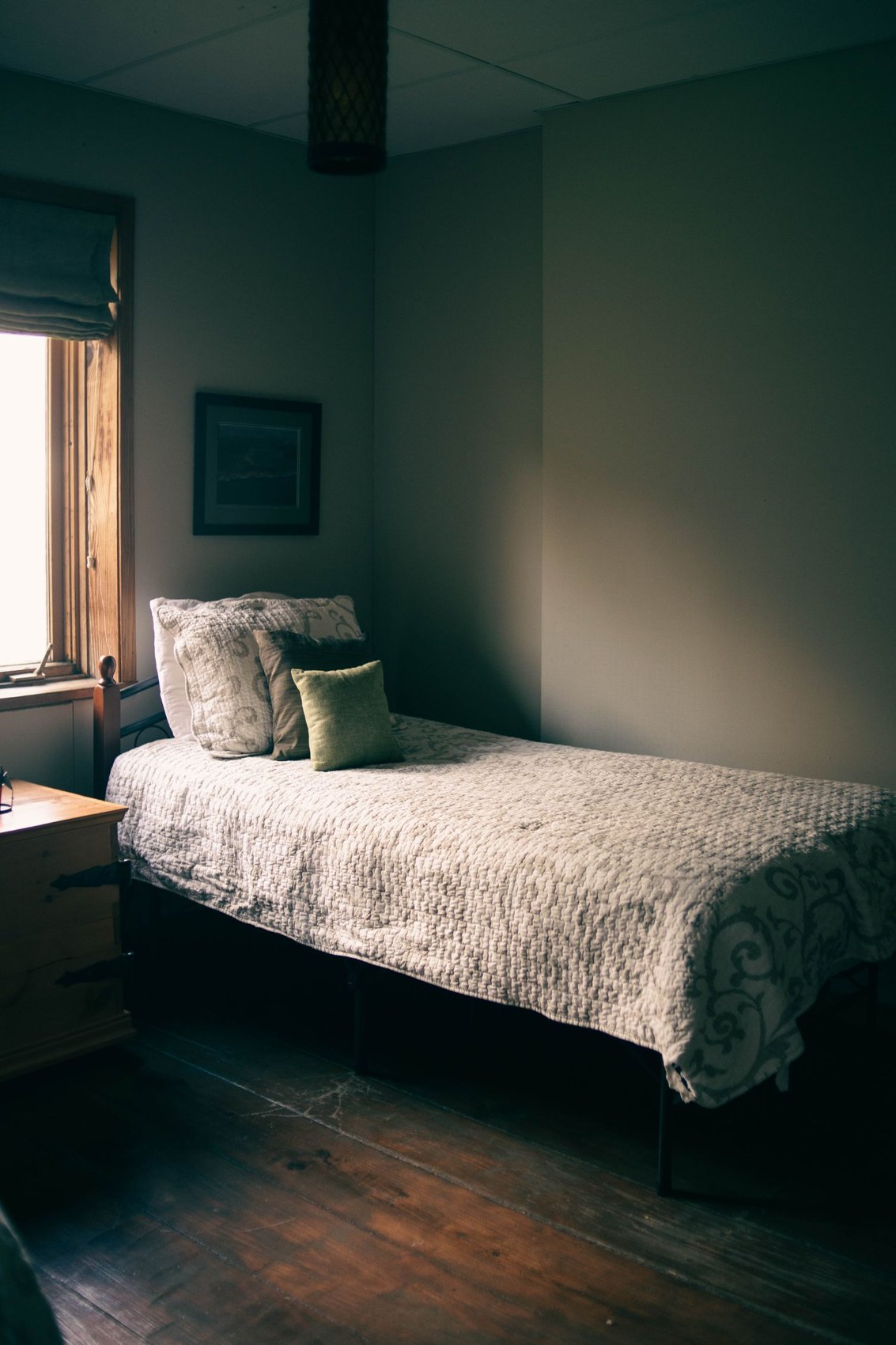
Label rooms with readable names before the first delivery. If a box says ‘Study’, the same word should appear at the relevant doorway. Explain unusual arrangements, such as a future dining area being used temporarily for storage, before helpers start carrying things inside.
Show helpers a specific clear area in each room. ‘Somewhere on the left’ is less useful than ‘against this wall, up to that corner’. Consider the route that large furniture still needs to take.
Arrange by access, not size
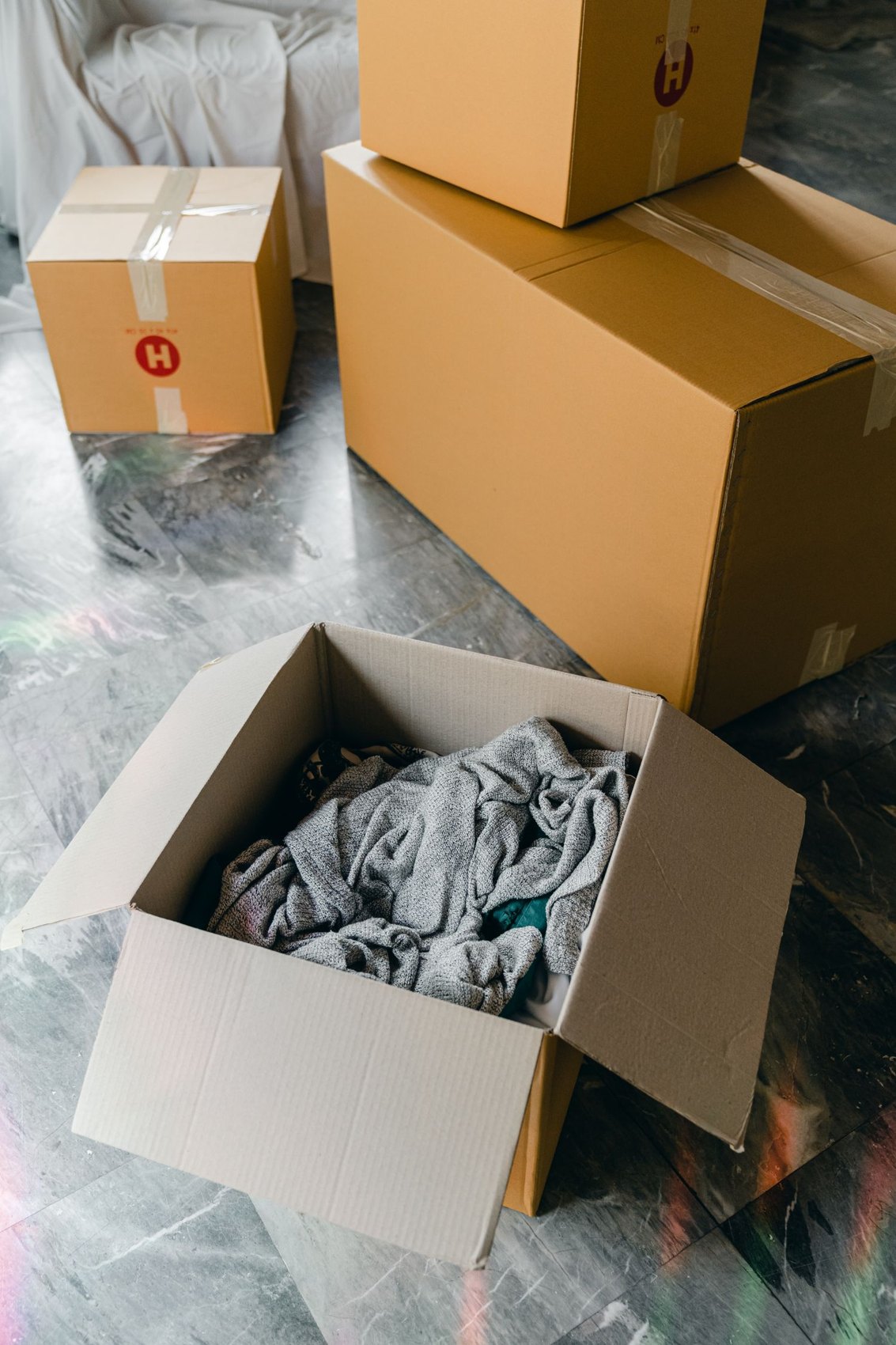
Keep the boxes you need first accessible with their labels facing out. These include first-night supplies, basic kitchen equipment and anything required for work the following day. Occasional items can stand farther back. Avoid arrangements where several heavy cartons must be moved simply to read a label and find out what is behind them.
Consider packaging condition, contents and shape before stacking. Damaged, damp or unstable boxes make poor bases. Fragile contents and vulnerable lids cannot take arbitrary loads. Keep stacks manageable: an empty corner is not a reason to build as high as possible. Doors, heaters, ventilation openings and necessary routes through the room must remain accessible.
Create a small unpacking area
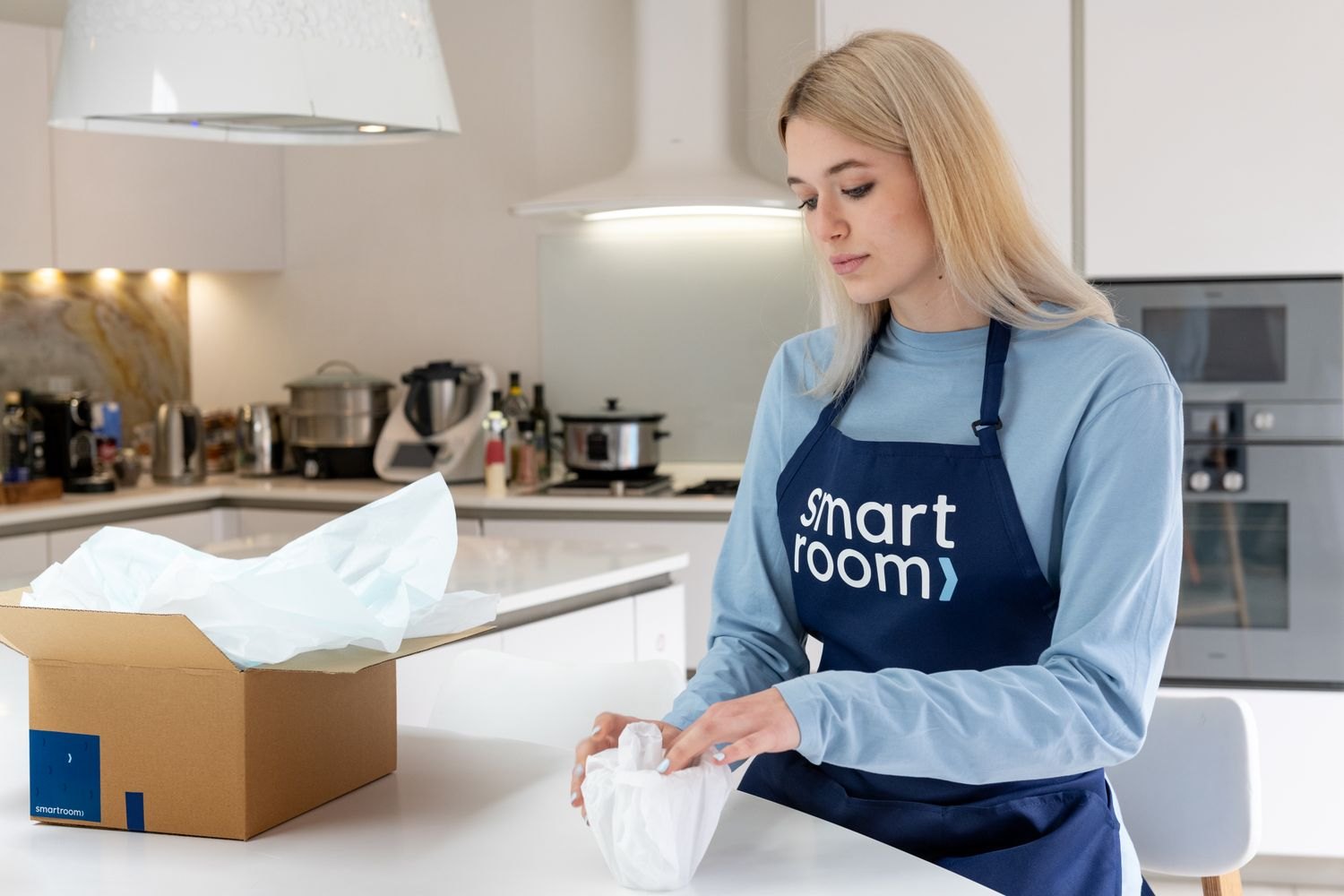
Reserve a surface where you open one box at a time. Beside it, provide containers for reusable paper, other packaging and belongings whose final position is undecided. These three groups then remain contained instead of spreading across the room. Flatten empty boxes promptly unless you need them immediately as temporary sorting containers for another specific task.
Adjust your arrangement during the day. Once a room is usable, avoid filling it with unrelated cartons just because space has appeared. Record the new position of any box you move. With similar-looking packaging, a short note can prevent a delivered box being mistakenly treated as missing later in the week.