Check fully before flattening
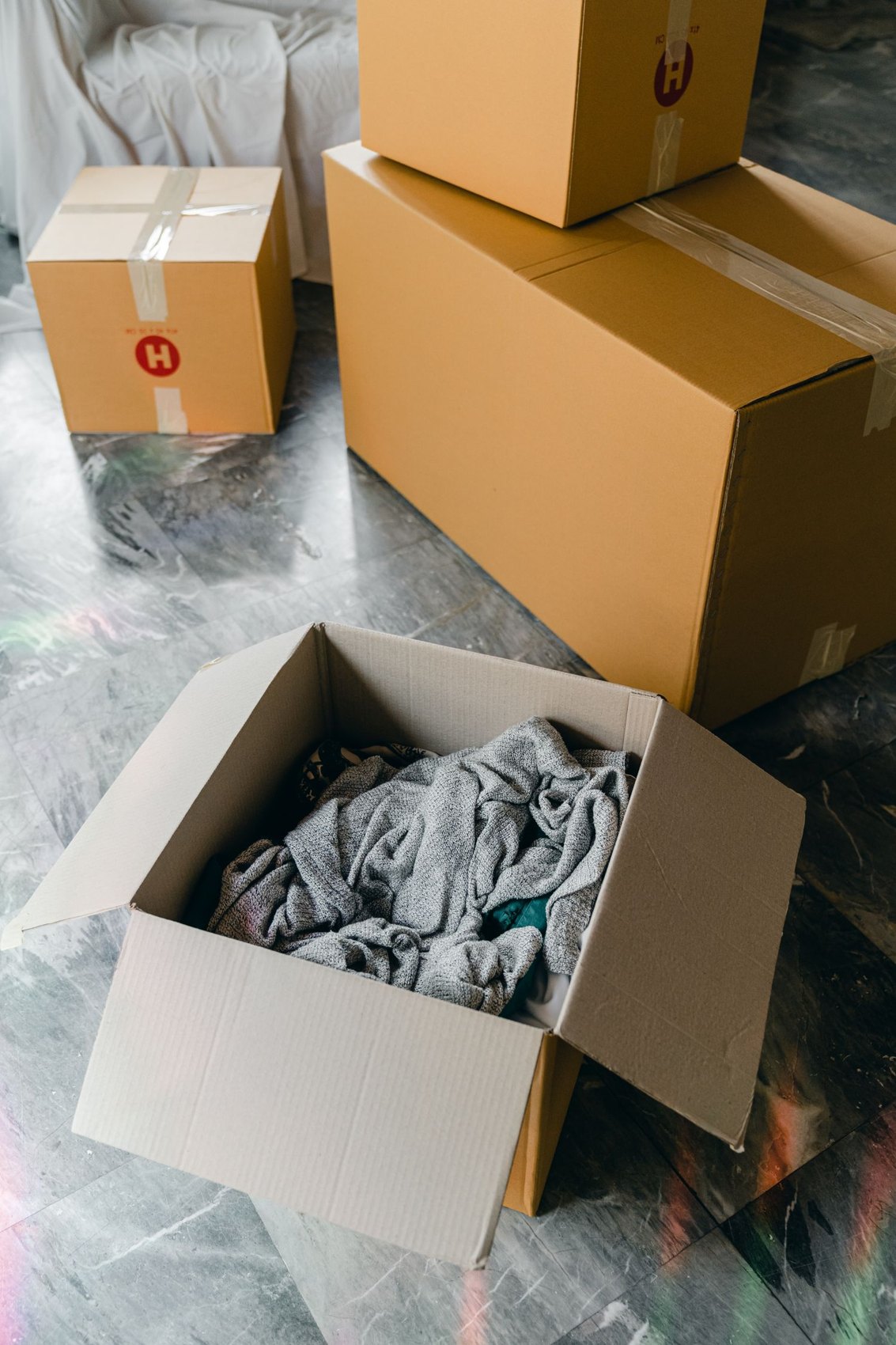
Put each box somewhere well lit and examine the base, corners and every layer of cushioning. Bags of screws, small cables and jewellery boxes can hide inside paper. Unfold used wrapping rather than immediately crushing it together. Only when the contents have been checked against the box number is the packaging genuinely ready to flatten.
Separate clean, usable cartons from damp, badly torn or distorted ones. Inspect handles, lower edges and old taped seams particularly carefully. A carton held together only by numerous additional strips of tape is a poor candidate for another journey carrying heavy household belongings.
Collect flat boxes neatly
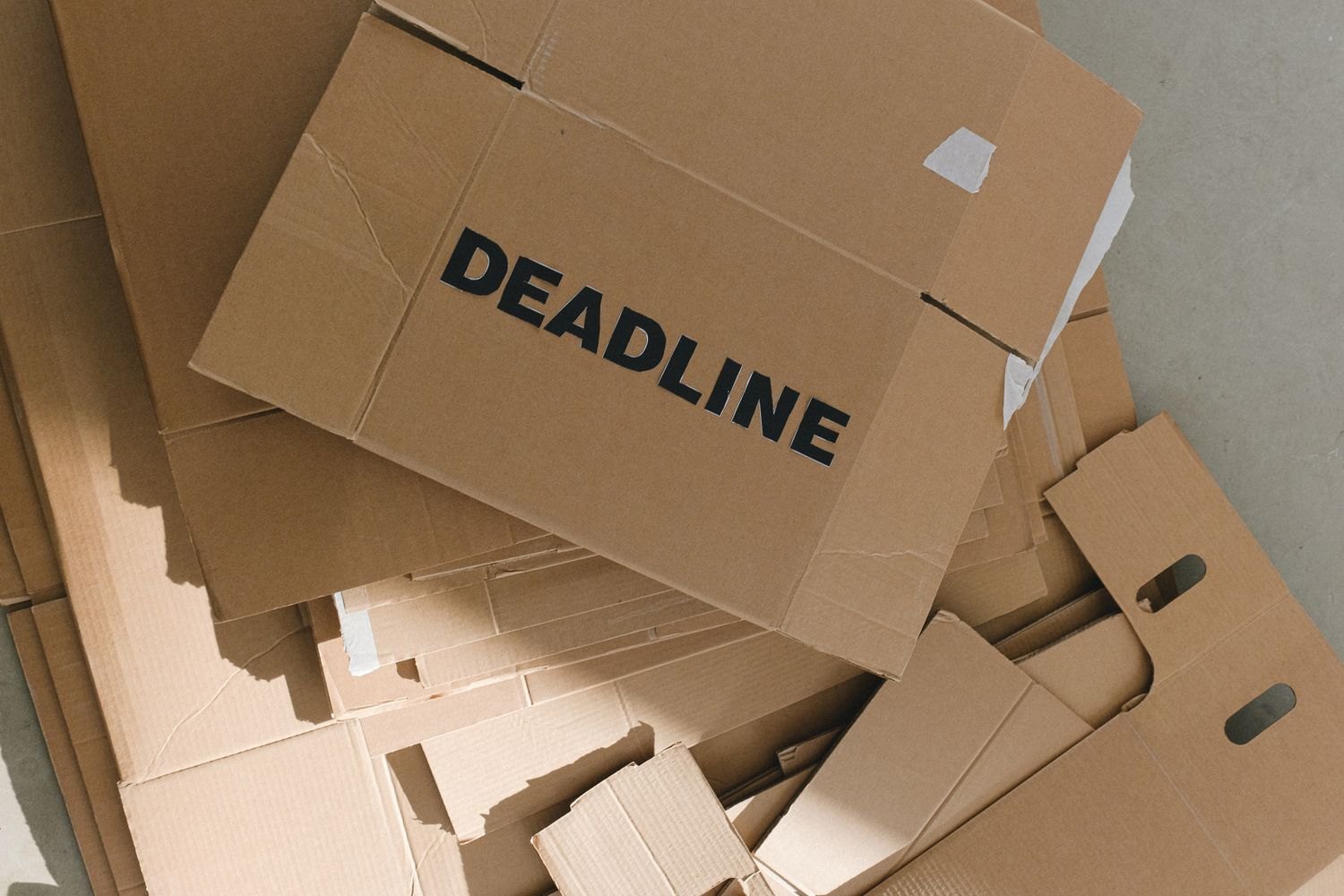
Release taped flaps carefully, using a suitable tool directed away from your body. Keep your other hand clear of the cutting line. Fold the box along its existing construction without tearing off useful structural parts. Remove personal address labels and confusing old markings before passing the box to someone else who will use it again.
Group flattened cartons by size and bundle manageable quantities. Store usable packaging somewhere dry and agreed in advance. Stairs, doorways and walking routes are unsuitable temporary storage areas, even if somebody is expected to collect the boxes on the following day.
Arrange a specific handover
When offering boxes, state their quantity, approximate sizes and condition. A photograph of the flattened stacks helps but does not replace an honest description of damage. Agree a practical collection window and keep the cartons dry until then.
Keep only what has a foreseeable purpose and suitable storage space. One or two spare boxes may be useful; twenty unused cartons quickly occupy valuable room. For packaging that cannot be reused, check your local waste service's guidance. Coated or contaminated materials may need different treatment from clean corrugated cardboard, so do not assume everything belongs together.