Think from evening through to breakfast
Walk through your first evening in your mind: wash your hands, eat something, shower, sleep and get dressed in the morning. This produces a more useful selection than a broad list of everything that might matter eventually. Two mugs, cutlery, a simple breakfast and a towel each may be enough for two people. Adjust the contents to your household.
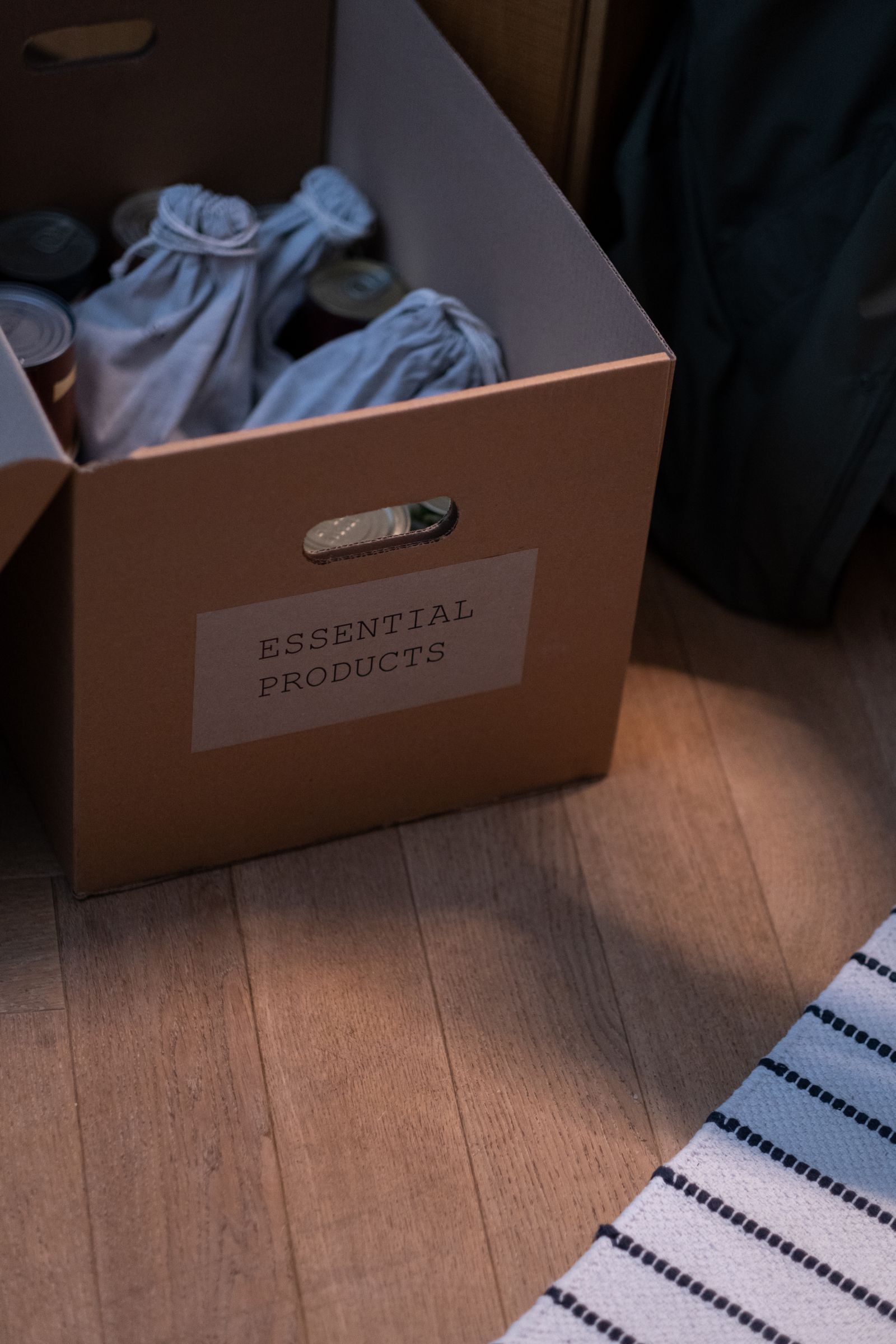
Add toilet paper, hand soap, a small rubbish bag and a clean cloth. Choose food that does not need a fully equipped kitchen. Keep food separate from cleaning products; perishable supplies need appropriate cooling and should not sit in this box for hours.
Some things need a separate bag
Keep identification, keys, important documents and everyday personal essentials in a bag that stays with you. Any medication you need should remain accessible and be stored according to its instructions. A first-night box is not a replacement for that personal bag.
Bedding takes up more space than toothbrushes. A separate clean bag for bed linen keeps the box manageable. Put together a complete set for each bed you will use, rather than looking for individual covers in different boxes after the journey.
Make access part of the plan
Label the lid and two sides with ‘Open first’ and the destination room. A bright strip of tape makes the box easier to spot, but does not replace a readable label. Tell helpers specifically to leave it by the entrance or in the kitchen.
Just before leaving, check the things used until the last minute: charger, toothbrush, towel and keys. Do not pack chargers with damaged cables. Take only the devices and accessories you will actually need straight away in the new home.
Allow for a delayed delivery
If the moving vehicle will arrive after you, the essentials must travel with you. Separate a small immediate-use bag from the larger box. A fresh top, toothbrush and charging cable will usually fit. This keeps the evening manageable even if unpacking cannot begin until the following day.