Record room, number and contents together
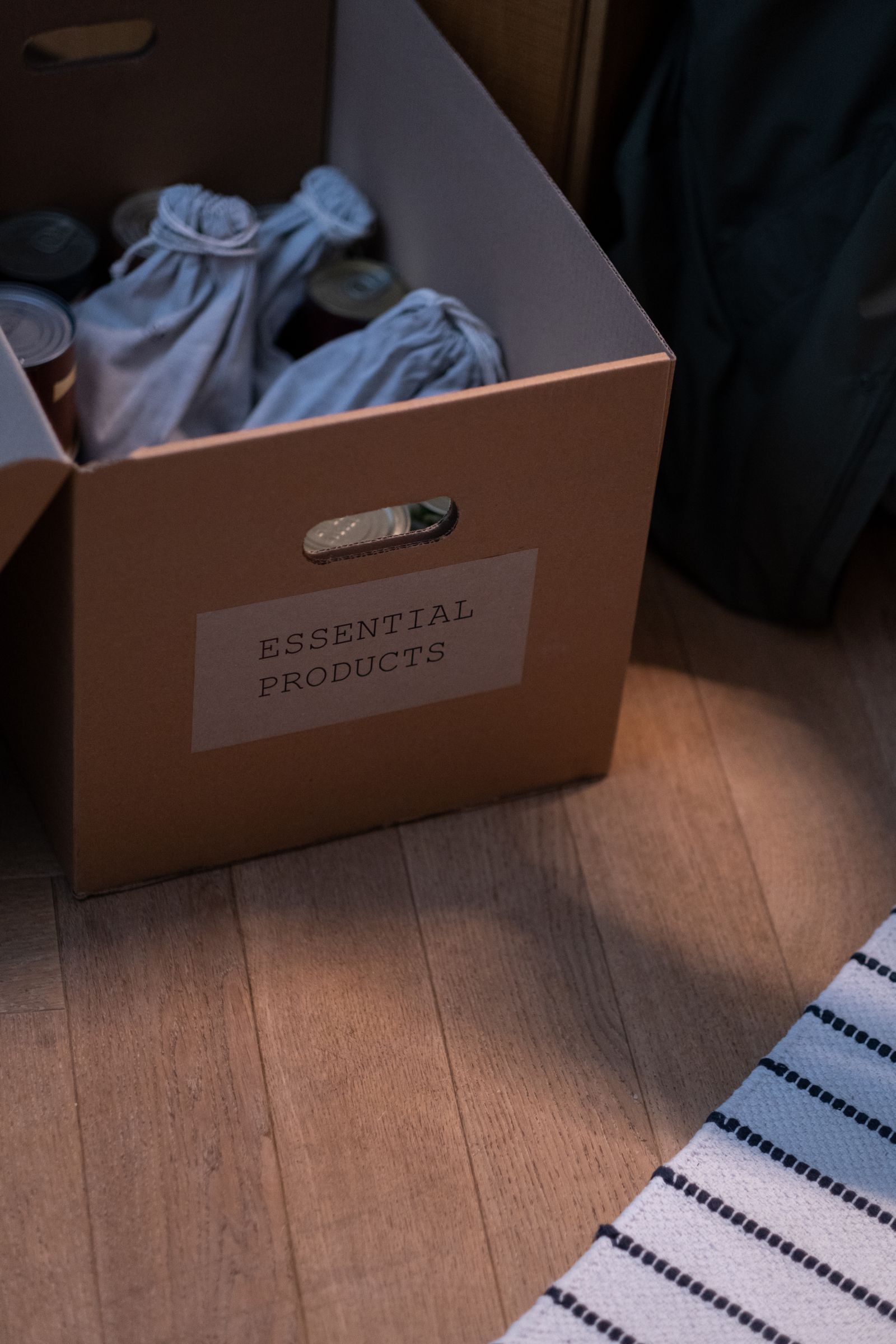
Organise the list around rooms in your new home. A sideboard from the old dining room may belong in the new hallway, so its former location would be misleading. Give large furniture its own entries and number boxes consecutively. Record a destination room and a few meaningful contents for each number. “Kitchen, baking tins and scales” is more useful than “Kitchen stuff” without requiring a lengthy description.
Make the entry before applying the final strip of tape. You will not need to reopen the box later because its contents have become a mystery. A basic paper table or phone note is sufficient. Add a column for special handling, such as “Glass” or “Open first”. Keep sensitive details off external labels; fuller descriptions can stay in your private version of the inventory.
Count groups that matter
Count complete groups where missing pieces would cause a problem: six chairs, three shelf boards or two boxes of files. Clothes and towels rarely need individual entries. Photograph unusual sets whose components belong together. Avoid creating separate complicated inventories and packing records. One list with “Unpacked”, “Packed” and “Arrived” statuses prevents duplicated work and conflicting information as your move progresses.
Check at the destination
Have one person mark off groups after unloading. This need not interrupt every trip from the vehicle; compare the list before the transport finally leaves. You can then investigate missing numbers directly. Keep the inventory until everything is unpacked, and add a new location when something goes into cellar storage. Mark a box as finished only after its contents have actually been put away.