Start with three usable areas
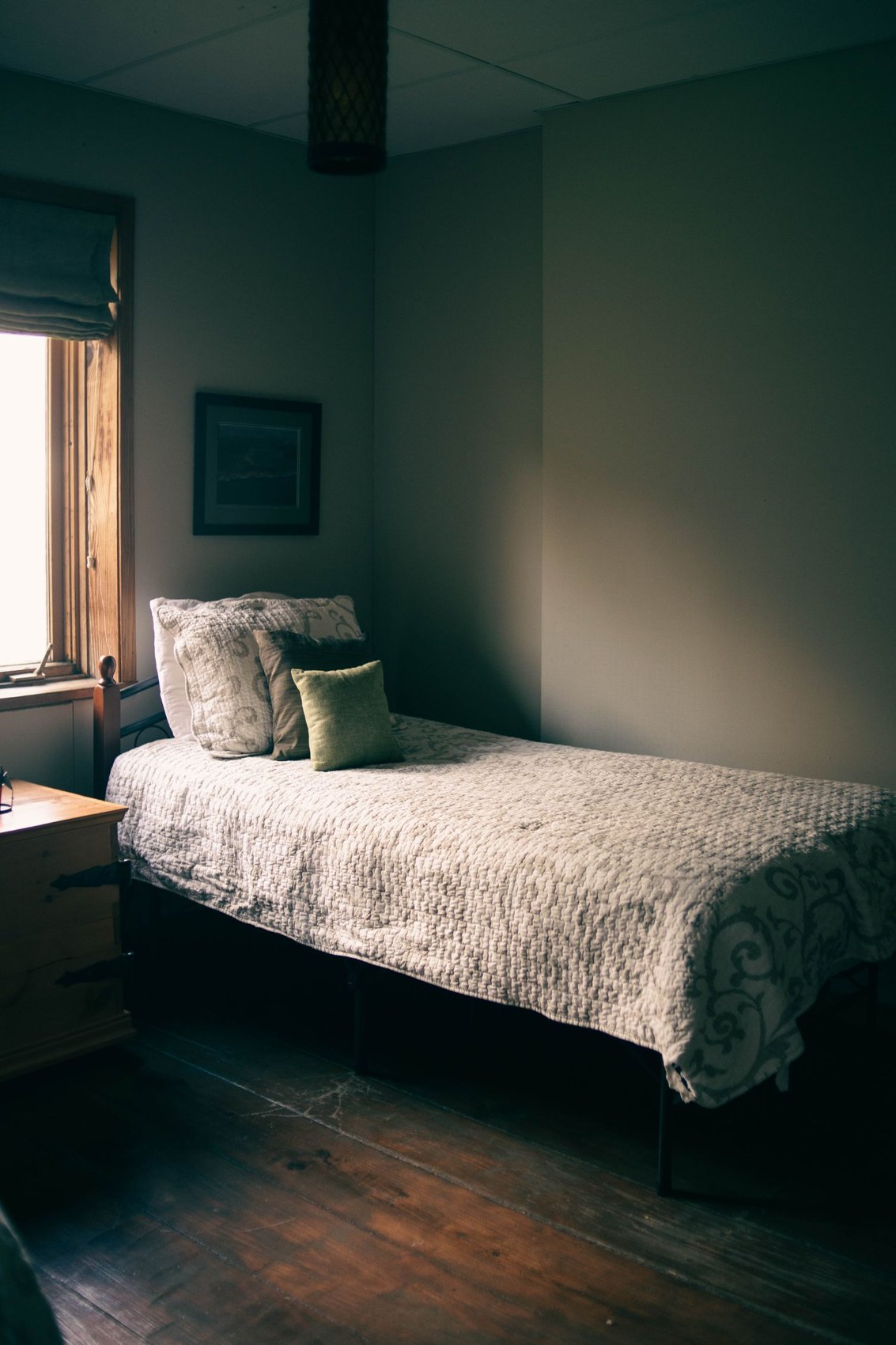
Choose concrete results for the first days: somewhere to sleep, a usable bathroom and basic kitchen equipment. ‘Finish the bedroom’ is vague. ‘Make the bed, find tomorrow's clothes and clear the route’ has a definite endpoint. Unpack the relevant boxes and leave others closed provided they do not obstruct access.
Account for your actual routine. Someone working from home tomorrow needs a functioning workspace sooner than someone taking a week off. Reserve a quiet area and the necessary documents accordingly. Avoid leaving every room half arranged while no everyday task can be completed comfortably when evening arrives.
Agree short work sessions
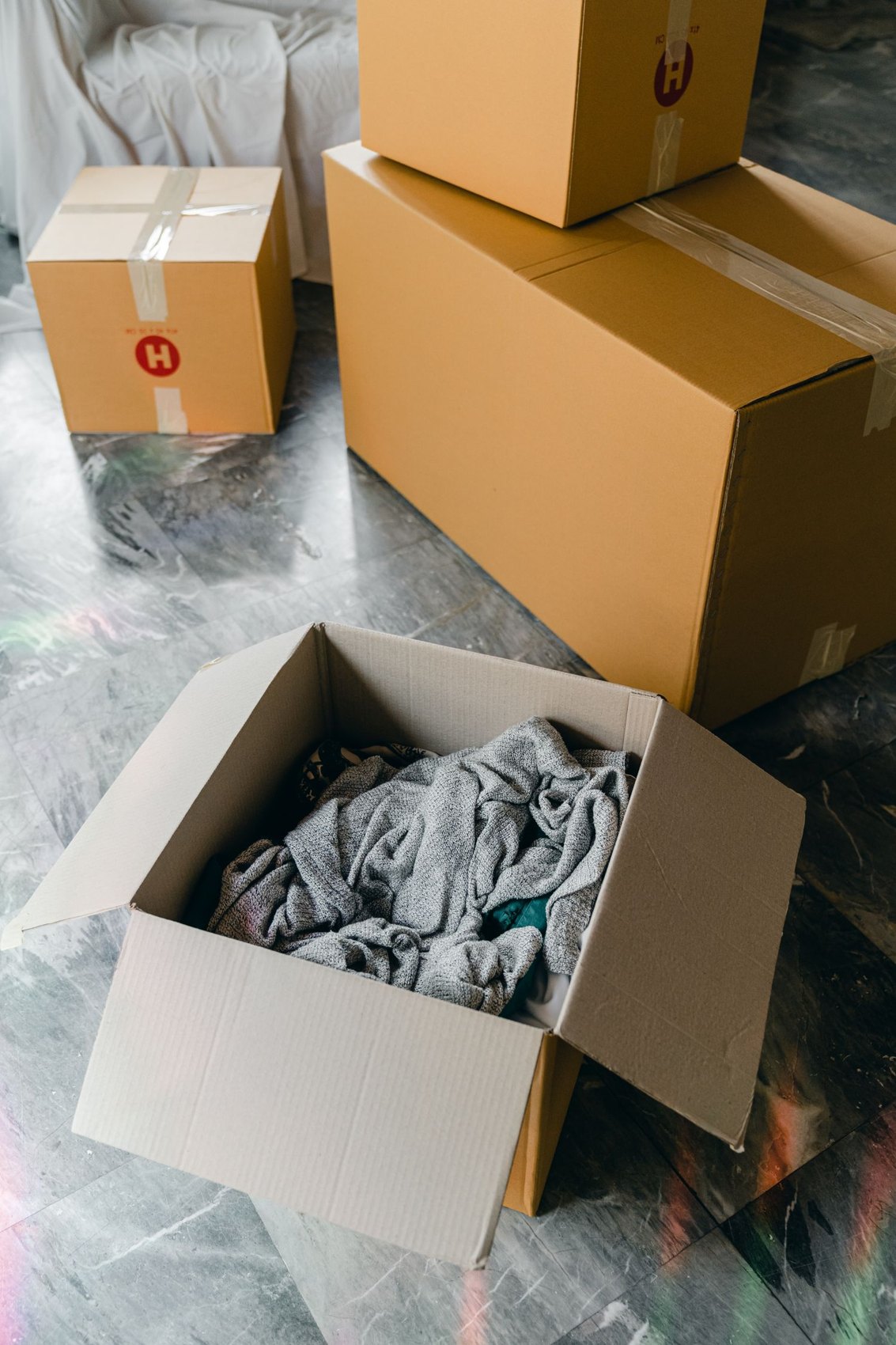
Give each day one bounded task, such as arranging the crockery cupboard or everyday clothes. Decide where empty cartons and wrapping will go before starting. Finish each session by removing packaging and clearing walking routes. Otherwise, unpacking simply creates a fresh layer of disorder every evening instead of making your home easier to use.
Allocate responsibilities rather than constantly calling out instructions. One person can organise the kitchen while another collects packaging. Discuss shared spaces beforehand so nobody silently relocates items that have already been arranged.
Keep unfinished tasks visible
Maintain a short list divided into urgent, this week and later. Write an action such as ‘Measure shelf width’ rather than ‘Living room’. Note tasks waiting for a delivery or reply. This distinguishes a genuine dependency from a job that merely needs a decision or a few minutes of attention.
Review progress at the end of the week. Which rooms work? Which unopened boxes contain something needed soon? Avoid automatically moving every unfinished job to tomorrow. Select a few next steps and allow time to rest, so you also experience the new place as somewhere to live.