Define what is missing
Describe the item precisely. ‘The cables’ is vague; ‘the monitor's black power adapter with a rectangular connector’ points towards a useful search. Think about when it was last used and who packed it. Items used on the final morning often travel in a personal bag rather than their planned room box.
Check photographs, packing notes and box records. Search by the former location as well as the new one. A living-room charger may have travelled with a games console even if it now belongs in the study. Ask helpers about specific actions, such as packing small accessories, instead of asking generally what they remember.
Check likely places in sequence
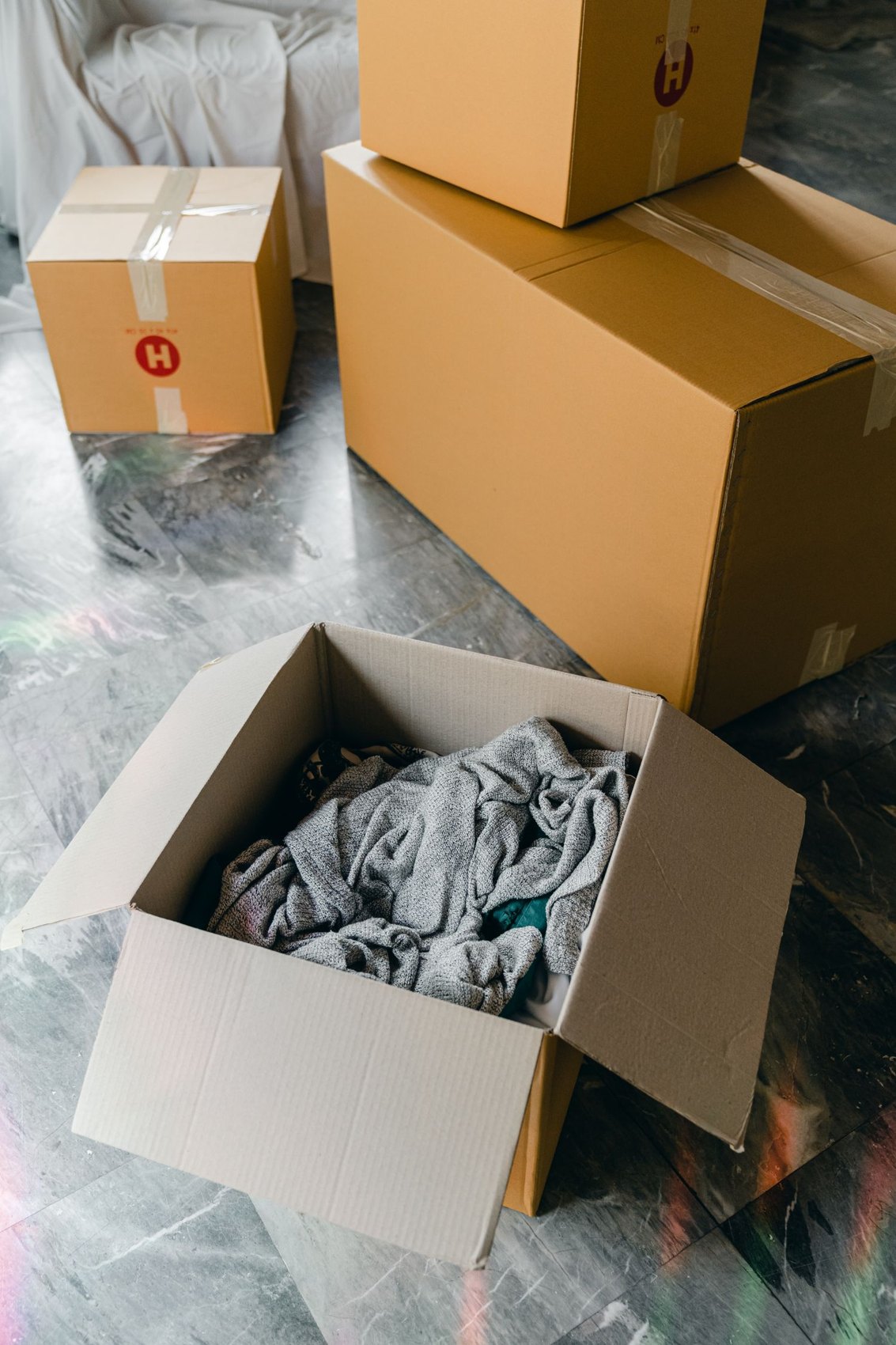
Choose a short order: personal bag, first-night box, relevant room carton, accessory pouch. Finish checking one place before moving on. Small objects hide in paper folds, side pockets and apparently empty packets. Open wrapping over a clear surface where anything that falls out remains visible instead of disappearing beneath furniture.
Record the numbers of boxes already checked. Otherwise, another person may search the same cartons while others remain untouched. Keep opened contents together and labels facing out.
Follow the delivery route
Compare arrived cartons with your inventory, if available. Check agreed temporary storage, the vehicle and other rooms with the people responsible for them. Use verifiable details: box number, contents and last confirmed location are more useful than assumptions about who might have made a mistake during a busy moving day.
If the item remains missing, record exactly what it is and which checks are complete. Arrange a suitable temporary solution where necessary, rather than repeatedly buying replacements under pressure. Once the original appears, update the note and deliberately remove borrowed accessories or temporary substitutes from circulation so they do not create fresh confusion.