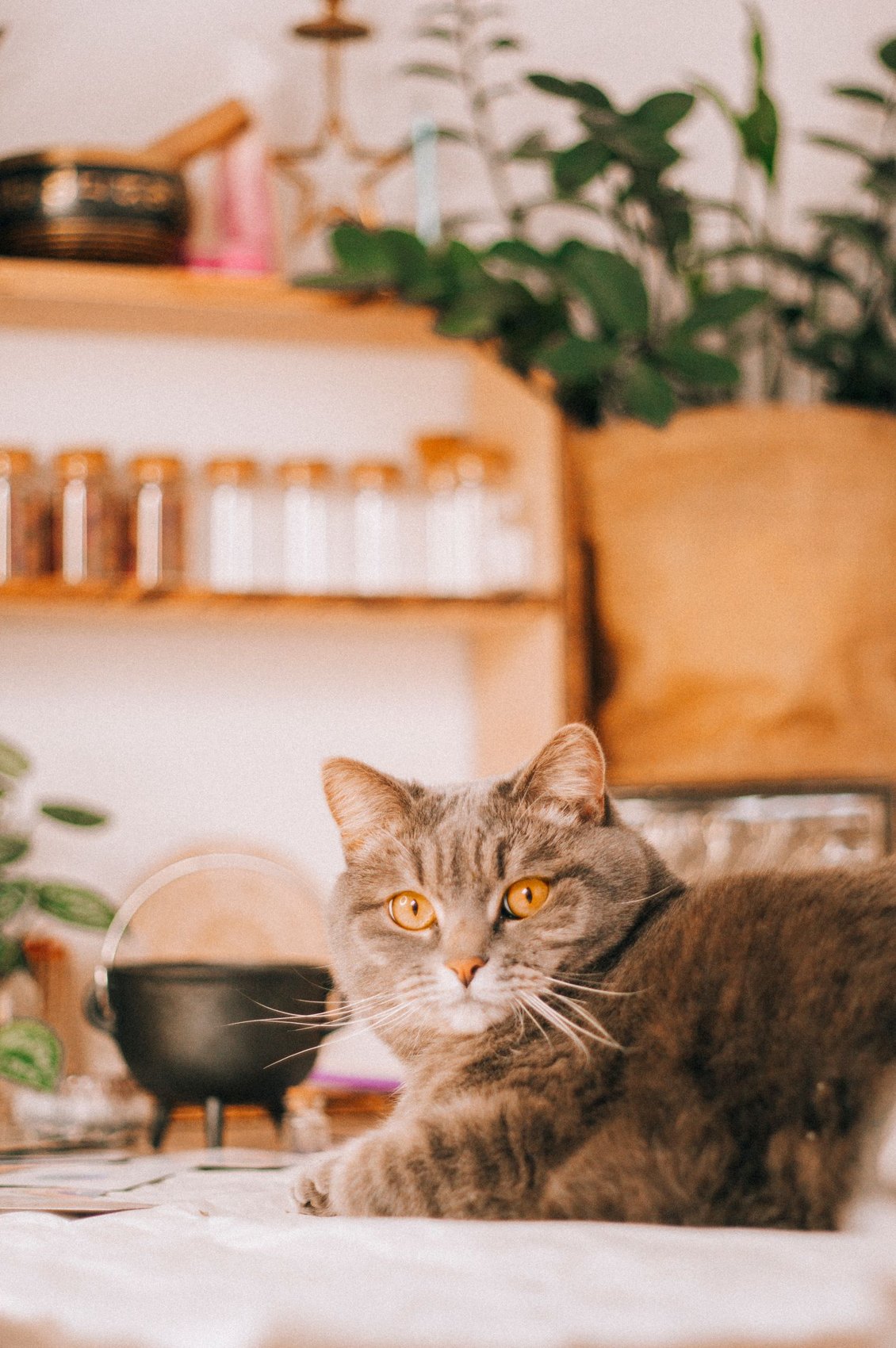
Choose an appropriate room
Select a room away from the main route with doors and windows that can be kept securely closed. Provide familiar essentials such as a resting place, water and the facilities the animal needs. Remove accessible tools, cleaning products and loose packaging. Different species have different space, temperature and equipment requirements. Begin with familiar conditions and seek qualified advice for particular needs instead of applying a general cat arrangement to every pet.
Make responsibility clear
One named person should keep track of the animal, including during breaks. Label the door clearly so helpers do not accidentally enter or start using the room for boxes. Empty this room last if that fits the transport plan. Explain that even opening the door briefly may cause a problem. A visible sign works best when everyone understands why the room needs to remain undisturbed.
Connect the retreat with transport
Prepare a suitable, sound carrier or other appropriate transport arrangement in advance and keep familiar items accessible. Agree who will travel with the pet and where it stays until departure. Animals should not travel among unsecured moving boxes. Ask your veterinary practice about individual care or longer journeys when needed. Do not improvise sedating medication; calm organisation and appropriate veterinary advice address different parts of the move.
Prepare a calm arrival
Set up the destination retreat before the pet arrives. Recheck doors and windows after helpers have been inside. Allow the animal to settle in a way appropriate to its species and temperament rather than forcing exploration. A new environment can change familiar routines too. Keep checking that water, the resting place and other necessary facilities remain accessible while unpacking continues around the home.