Define the clear route first
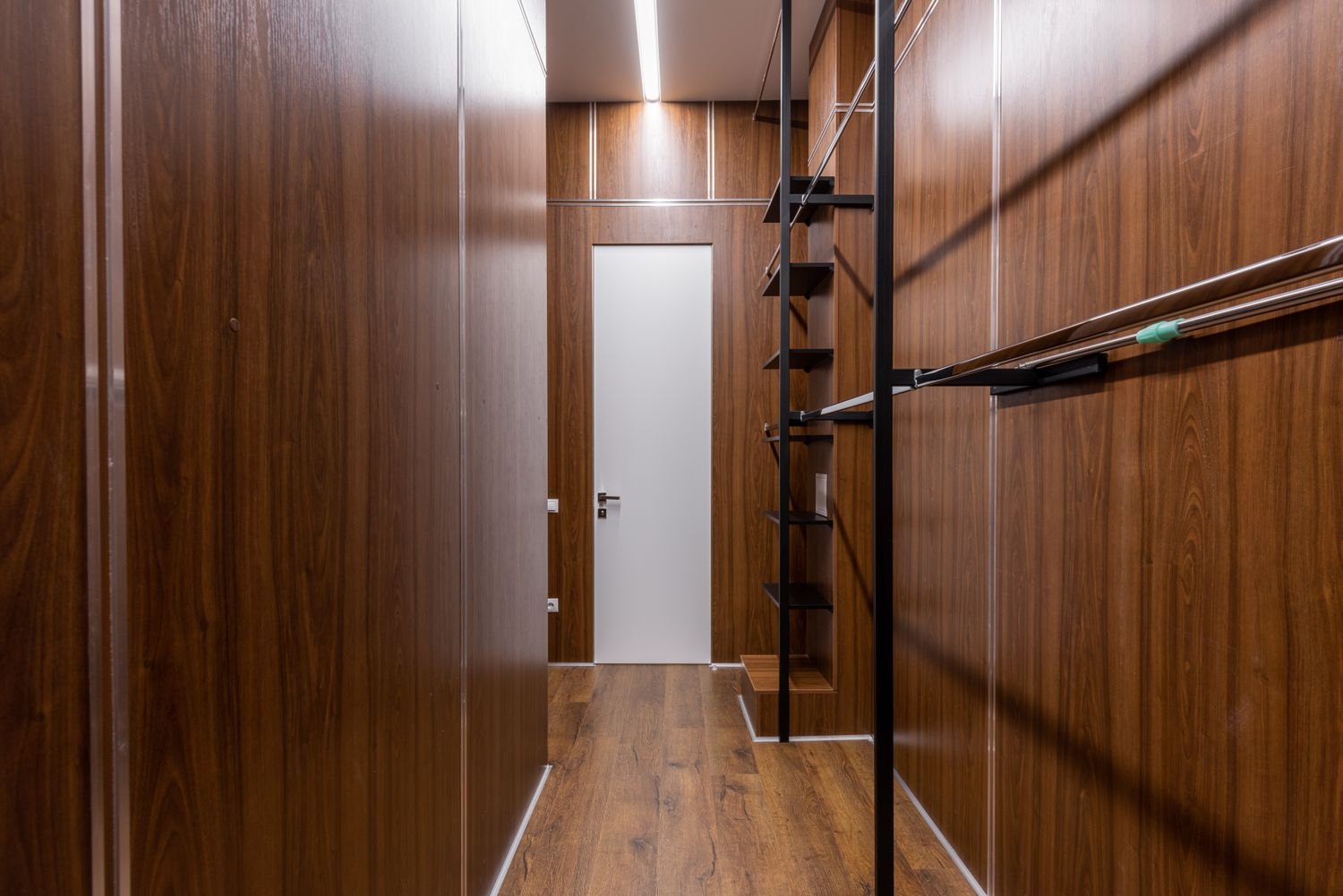
Measure the hall and sketch door swings, radiators and fixed fittings. Check where two people pass and where shopping can briefly be put down. Do not choose a cabinet solely by its closed depth. Open doors and extended drawers need extra space. Keep the necessary passage and entrance door fully usable.
Keep only current essentials near the entrance
Count the shoes and coats actually worn during an ordinary week. Occasional boots, luggage and seasonal clothing can go elsewhere in a suitable space. Give each household member a limited, accessible area. The hall should not become the final destination for everything that lacks a home in other rooms.
Wet shoes need an appropriate wipeable place and time to dry. Do not put them straight into a closed, crowded box. Choose somewhere that catches dirt without allowing water to reach the floor underneath.
Give small items a clear purpose
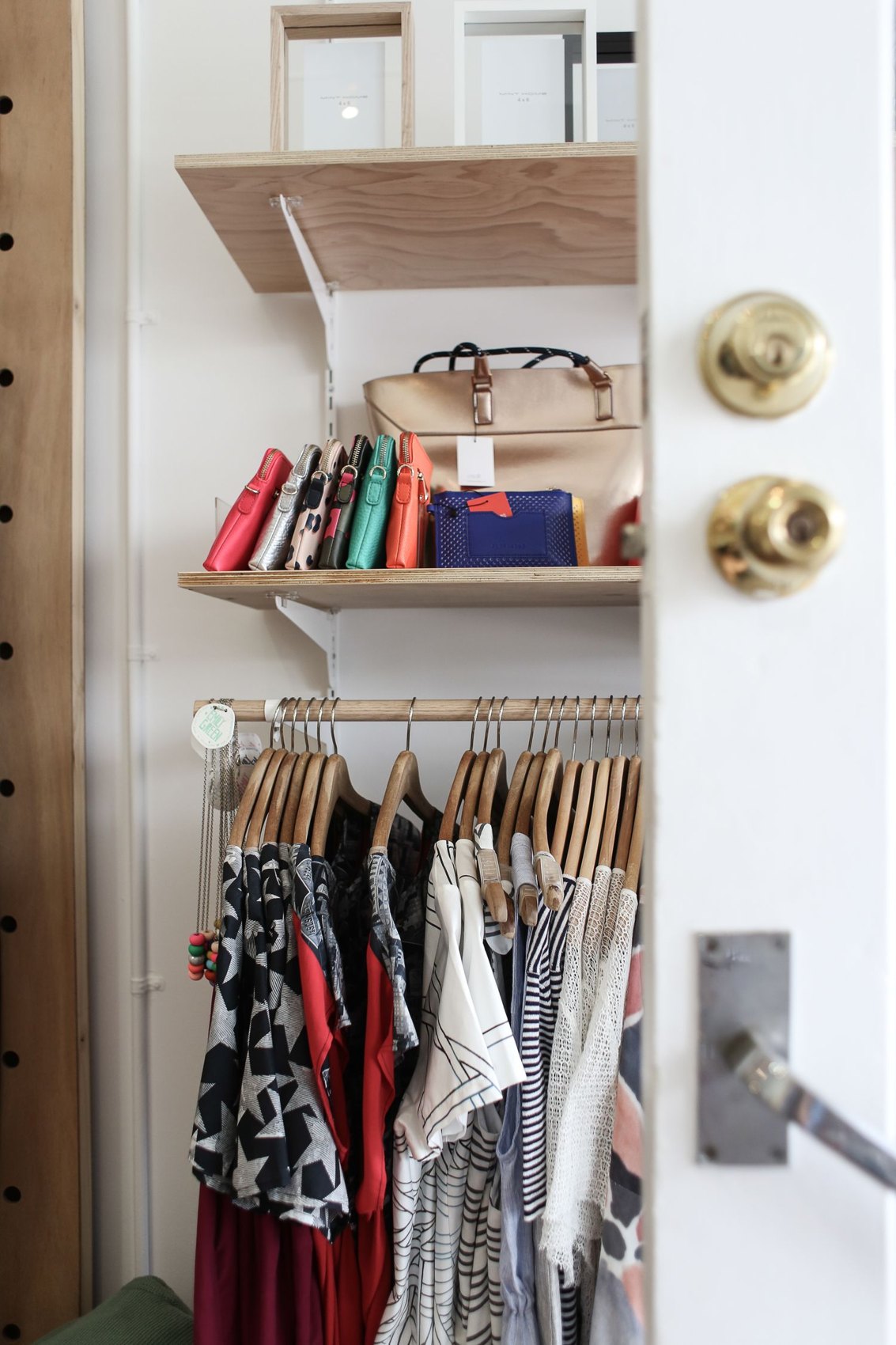
A shallow key dish and one limited compartment for outgoing post may be enough. Keep them separate so letters cannot hide the keys. Give bags a place that suits their size and weight. Hooks and wall storage need fixings suitable for the surface; a decorative adhesive hook is not automatically suitable for a heavy work bag.
Avoid numerous little containers without defined jobs. A compartment called miscellaneous quickly fills up without helping anyone decide what belongs there. Name it after an action instead, such as returns or things for tomorrow, and empty it regularly.
Observe an ordinary week
Test the arrangement in daily life before buying more furniture. If a bag always ends up on the floor, its intended place may be too far away or awkward to reach. Change that one point first. Briefly check each evening that the route is clear and the door works fully. Good hallway organisation removes steps from a routine rather than adding new ones.