Start with an ordinary week
Gather the clothes you use in a typical week, including work, leisure and regular activities. This selection shows which groups deserve the easiest access. Keep heavy items relatively low and manageable. Everyday clothes should be reachable without lifting out other stacks or fetching a step stool each time.
Check the available hanging height and shelf depth as well. Long garments should not bunch up on the shelf below. Deep compartments need a clear distinction between front and back, otherwise the second row can disappear from view permanently.
Fit the zones to the clothing
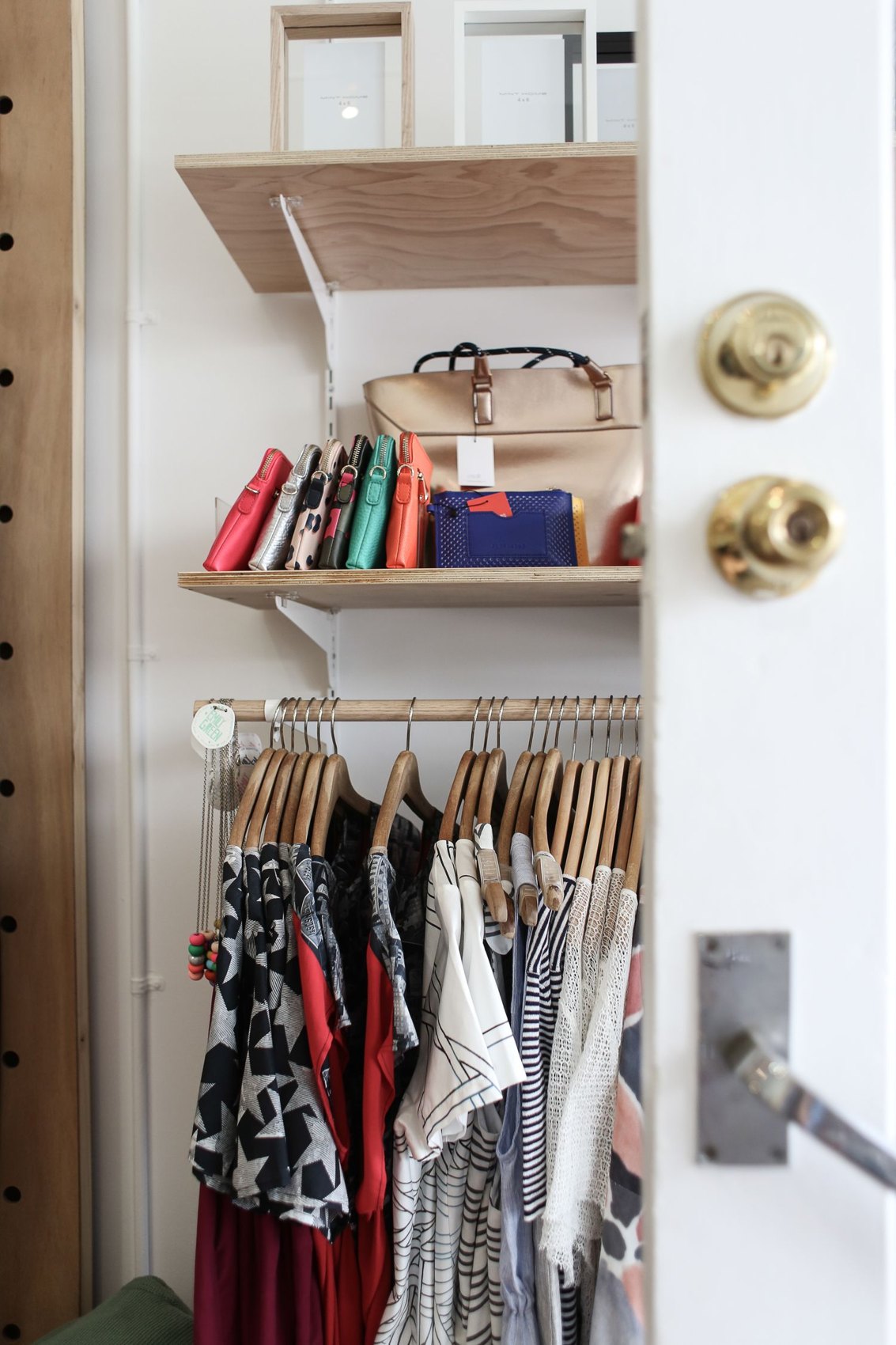
Hang suitable garments with enough room to remove one without dragging its neighbours along. Keep folded items in manageable stacks or upright rows where the fabric and compartment allow. Store delicate knitwear according to its care guidance; not every garment belongs on a hanger.
Group accessories by real use. Belts near trousers, or sportswear beside the socks worn with it, can work better than a purely visual arrangement. Leave some space for putting things back. A compartment packed to its edges stays tidy only until someone needs something from it.
Identify occasional items clearly
Place seasonal and rarely used clothing in labelled, suitable containers outside the prime access area. Describe the contents, such as winter jumpers, size medium, rather than simply clothing. Put away only clean, dry items. Check occasionally that the storage conditions remain suitable and the contents are still wanted.
Make a small adjustment after two weeks. Clothes repeatedly left on a chair may have an awkward or unclear home. Move individual groups before buying more organisers. The aim is an arrangement that works both when dressing in the morning and putting clothes away in the evening. Keep the labels simple enough that everyone sharing the wardrobe can follow them.