Prepare mugs individually
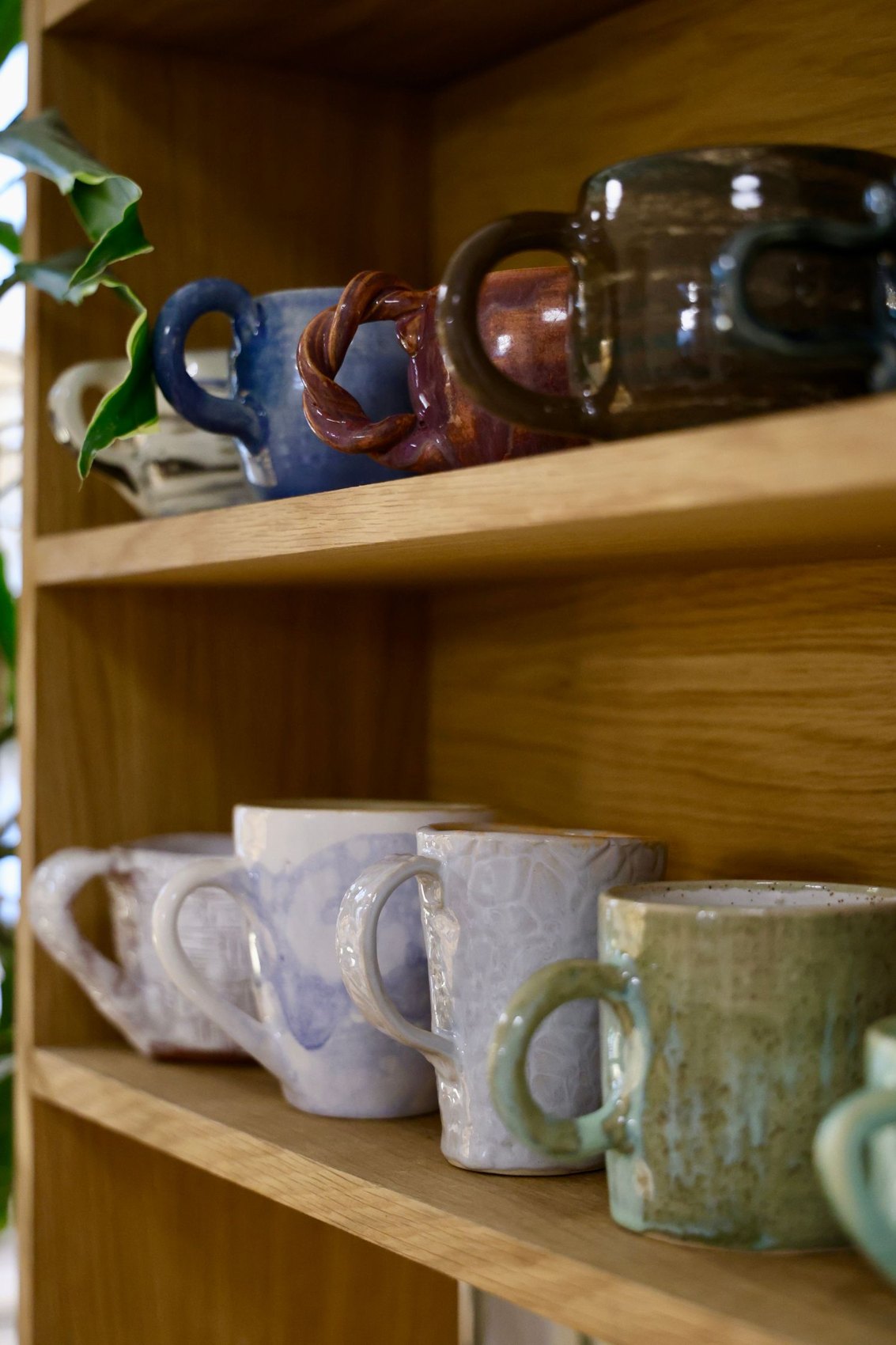
Check handle joints and rims before starting. Existing damage is easily hidden once the piece is wrapped. Separate substantially different shapes and sizes. Pack saucers as their own protected group instead of sliding them loose between handles. Let recently washed mugs dry completely. Paper sticking inside a damp mug makes unpacking unnecessarily awkward and does not provide a dependable dry cushioning layer around the contents.
Surround the handle gently
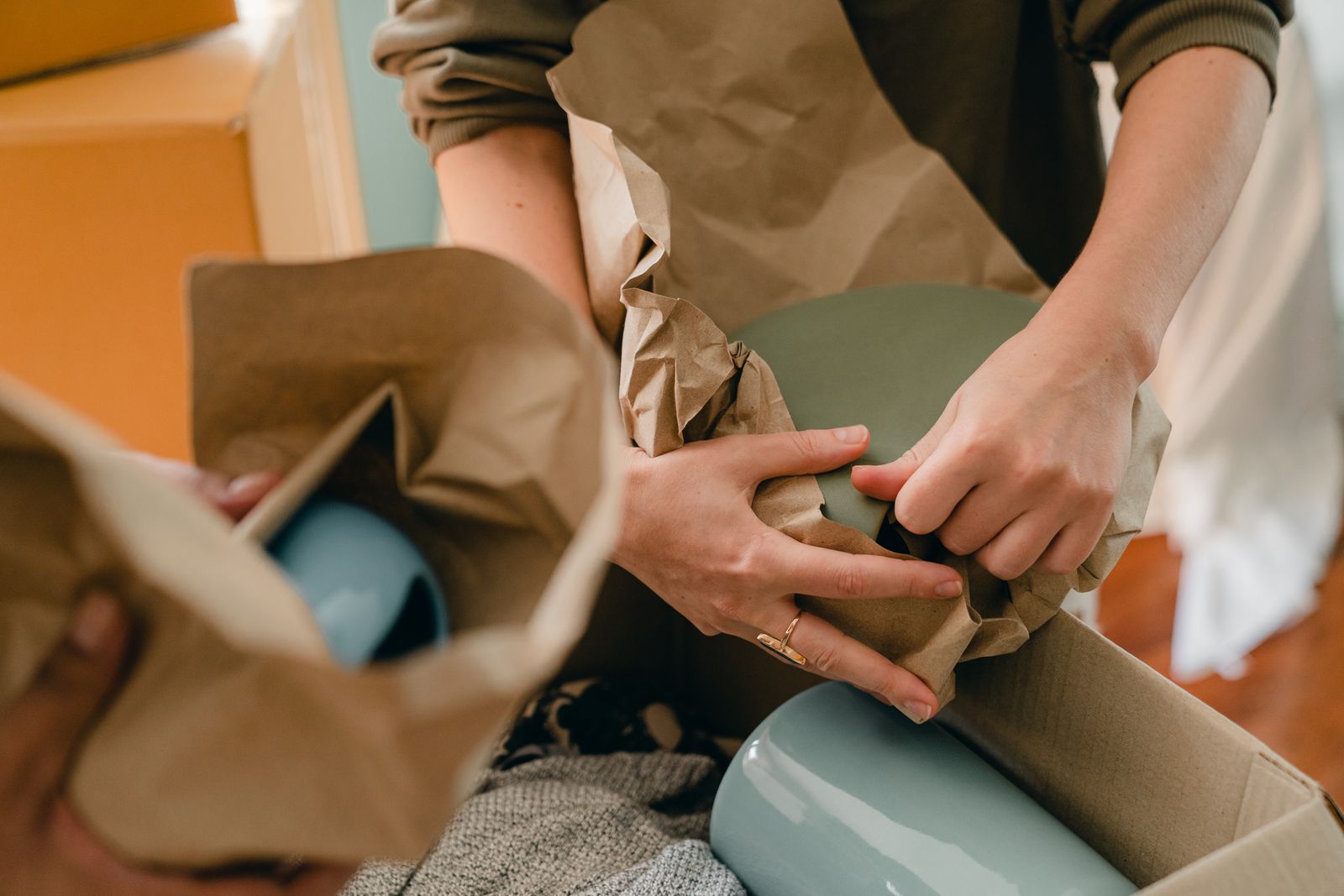
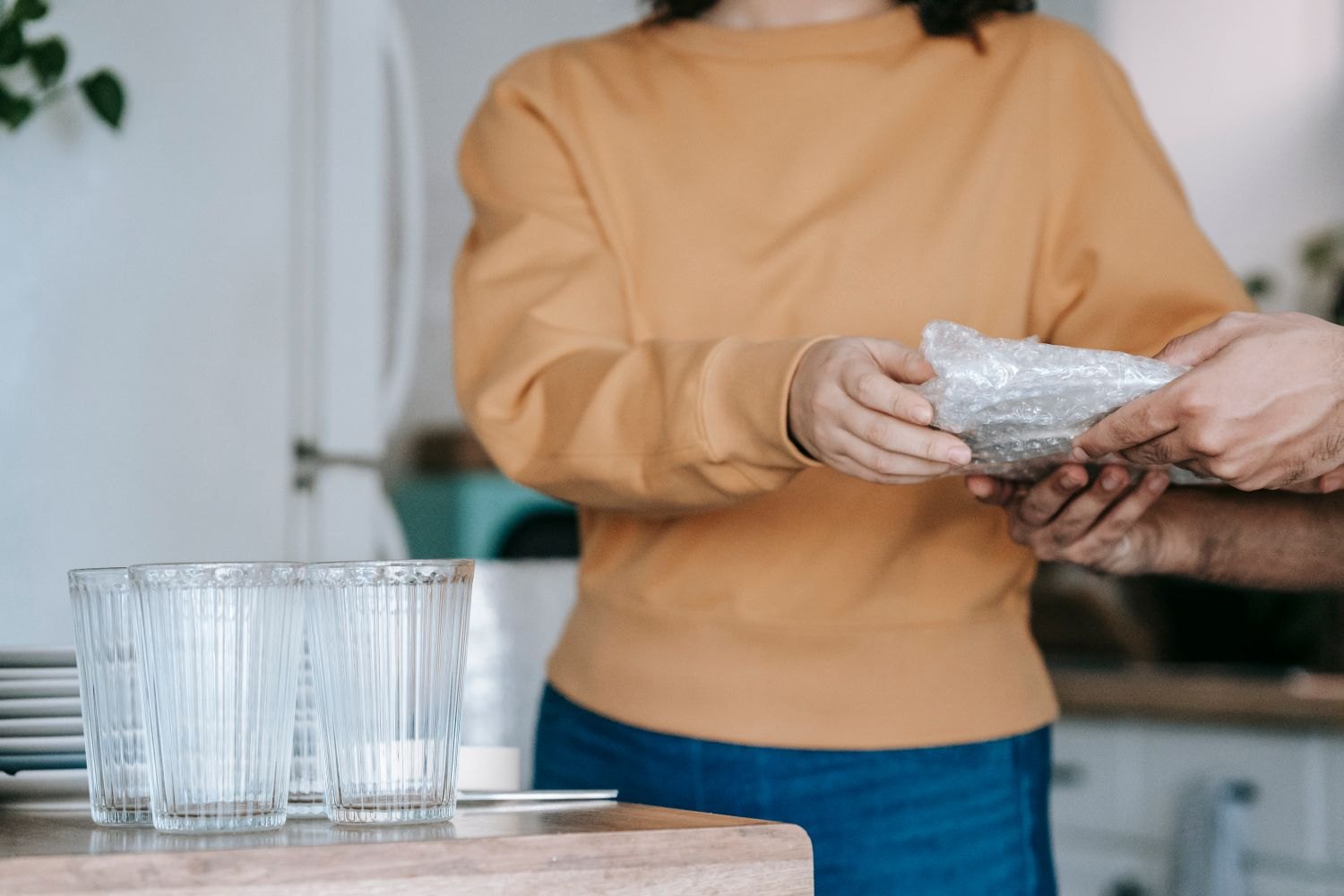
Place soft, clean paper loosely around the handle area, then wrap the whole mug. Do not force a firm paper ball through the handle opening. You want a soft surround without concentrated pressure. Use enough material to prevent ceramic touching ceramic through the wrapping. Secure the paper without applying adhesive tape directly over painted or glazed surfaces, where removal might cause marks or other damage.
Arrange the box deliberately
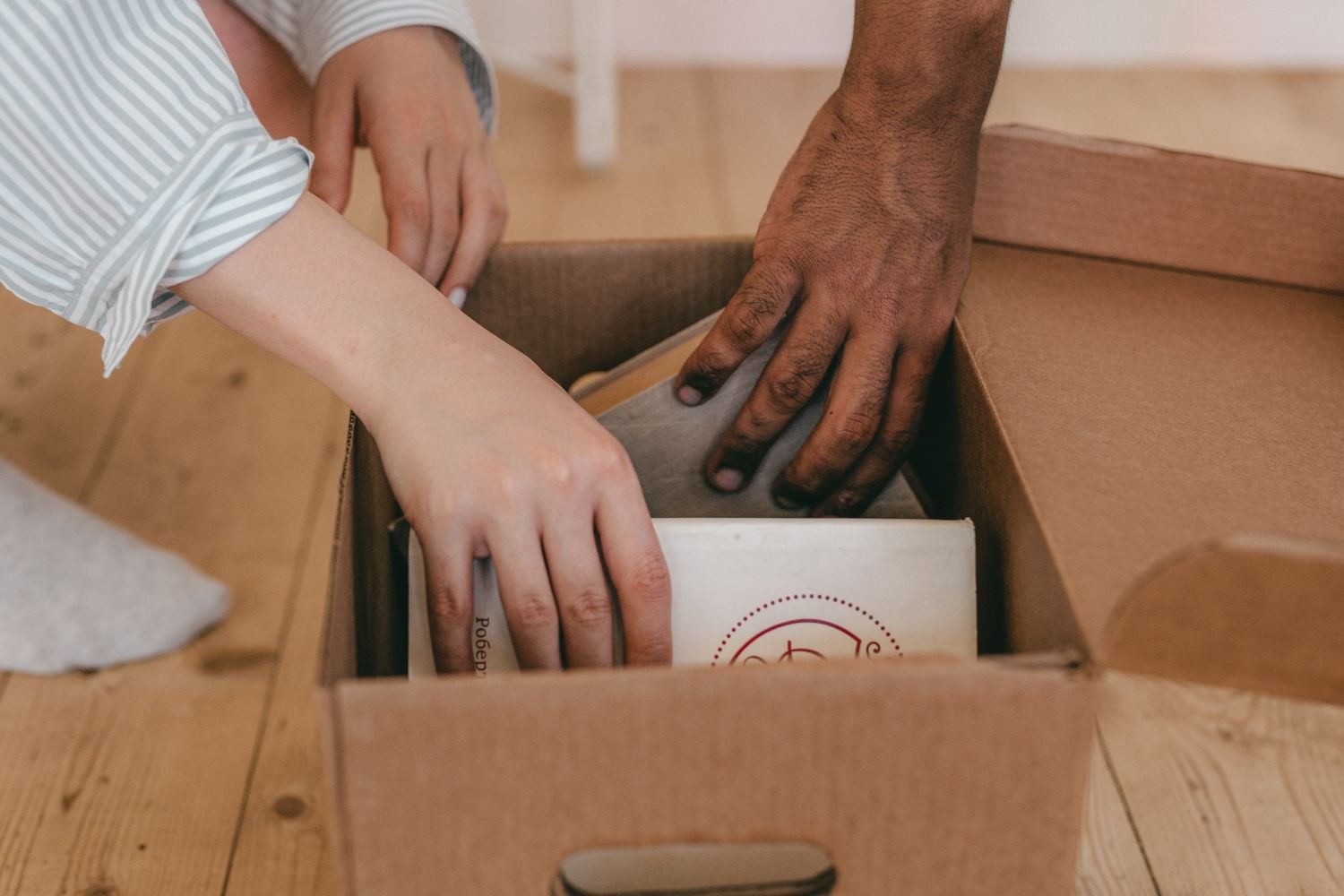
Place mugs in a cushioned box small enough to manage comfortably. Orient handles so they do not knock together. Suitable dividers can help maintain their positions. Do not nest mugs simply because that saves room in the kitchen cupboard. Fill gaps gently and keep contents away from the outer walls. Give a heavy jug separate packaging if it would push sideways against the row or compress softer bundles.
Keep everyday mugs separate
Leave a small number of frequently used mugs accessible until the end. The main box can then remain closed and carefully arranged. After transport, unwrap each piece onto a clear surface and check for paper remaining inside. Put away clean, intact items first. If you hear possible broken fragments within a box, open it slowly and attentively rather than reaching blindly into loose packaging.