Give each home a role
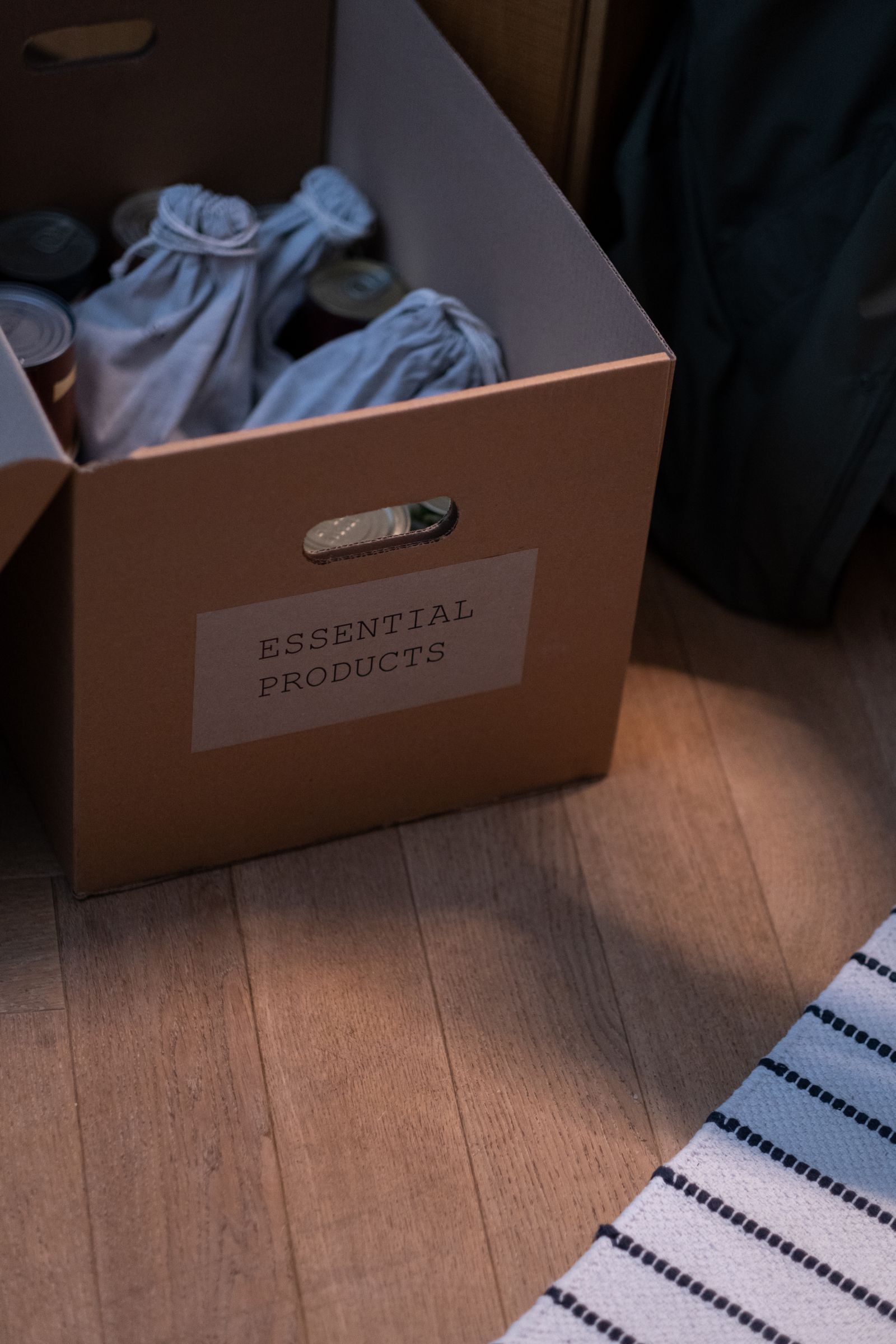
Decide where you will sleep, eat and work during the overlap. If these functions change every day, small essentials keep travelling back and forth. Leave only the equipment genuinely needed in the old home. Give the new home a basic set suited to its planned use. Move furniture and supplies according to a deliberate sequence rather than choosing a few random things to take on every journey.
Separate keys and working supplies
Identify keys clearly without displaying a full address publicly on the label. Keep a short list of what each location still needs. A basic cleaning kit at both homes may be more useful than repeatedly forgetting cloths and brushes. Expensive or rarely used tools need not be purchased twice. Give them an agreed location and record when they will be taken to the other address for a particular task.
Combine journeys thoughtfully
Group tasks by address before setting off. One trip could combine measuring for a shelf, delivering light boxes and returning with empty packaging. Do not turn it into an overloaded journey with loose objects scattered around the vehicle. Take only what can be secured appropriately. A brief note headed “Take”, “Do” and “Bring back” saves journeys without requiring a complicated project management system.
Set a clear changeover day
Choose the day when the new home becomes your main base. Move personal documents, everyday clothing and frequently used devices together at that point. Leave a specific completion kit for the old address. Before each final trip, check cupboards, sockets and secondary rooms. Track outstanding tasks separately from ongoing expenses so a convenient transition does not quietly become an indefinite period of living between two places.