Keep ongoing projects together
Put the relevant fabric pieces, pattern sections and short work notes with each unfinished item. Keep needles and other sharp parts in suitable closed containers rather than loose in the fabric. A photograph of the current stage helps if a project sits untouched for several weeks.
Give project bags understandable names. Notes such as ‘blue skirt, waistband unfinished’ are more useful later than an unexplained number. Keep the required thread and matching buttons with the project where they can sit safely in a small separate compartment or container.
Protect fabrics from moisture and pressure marks
Pack only clean, completely dry fabrics. Fold robust pieces neatly and choose suitable storage for materials prone to creasing. Do not compress the stack so tightly that closing the lid requires force. Keep delicate fabric away from rough tool bags and exposed fastenings.
A dry, suitable inner bag can add protection but does not replace a dry storage location. Clearly identify containers with delicate contents. Large fabric collections become heavy even when individual pieces feel light; divide them between several manageable containers.
Arrange tools and thread carefully
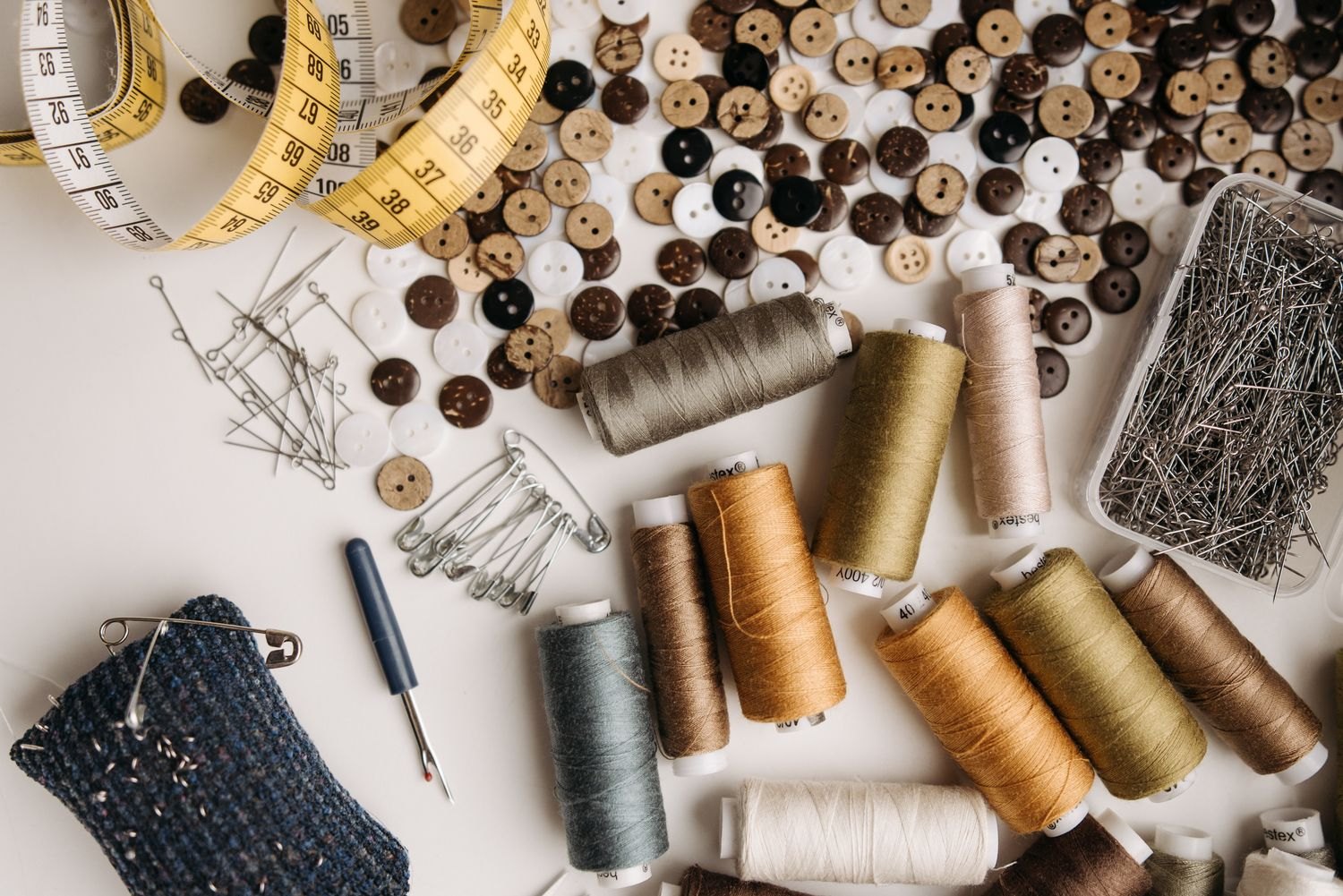
Give scissors appropriate blade protection and pins a securely closing tin. Inspect existing organisers before trusting them with many small parts. A lid that works on a shelf may not hold reliably when tilted. Add suitable securing measures for the container's construction if necessary.
Secure loose thread ends so reels cannot tangle, without putting adhesive directly on the thread. Pack sewing machines separately according to their manufacturers' instructions; this supplies box is not a substitute for machine packaging. At the destination, first establish a clear work surface, then open only the project you actually want to continue.