Inspect its shape and condition
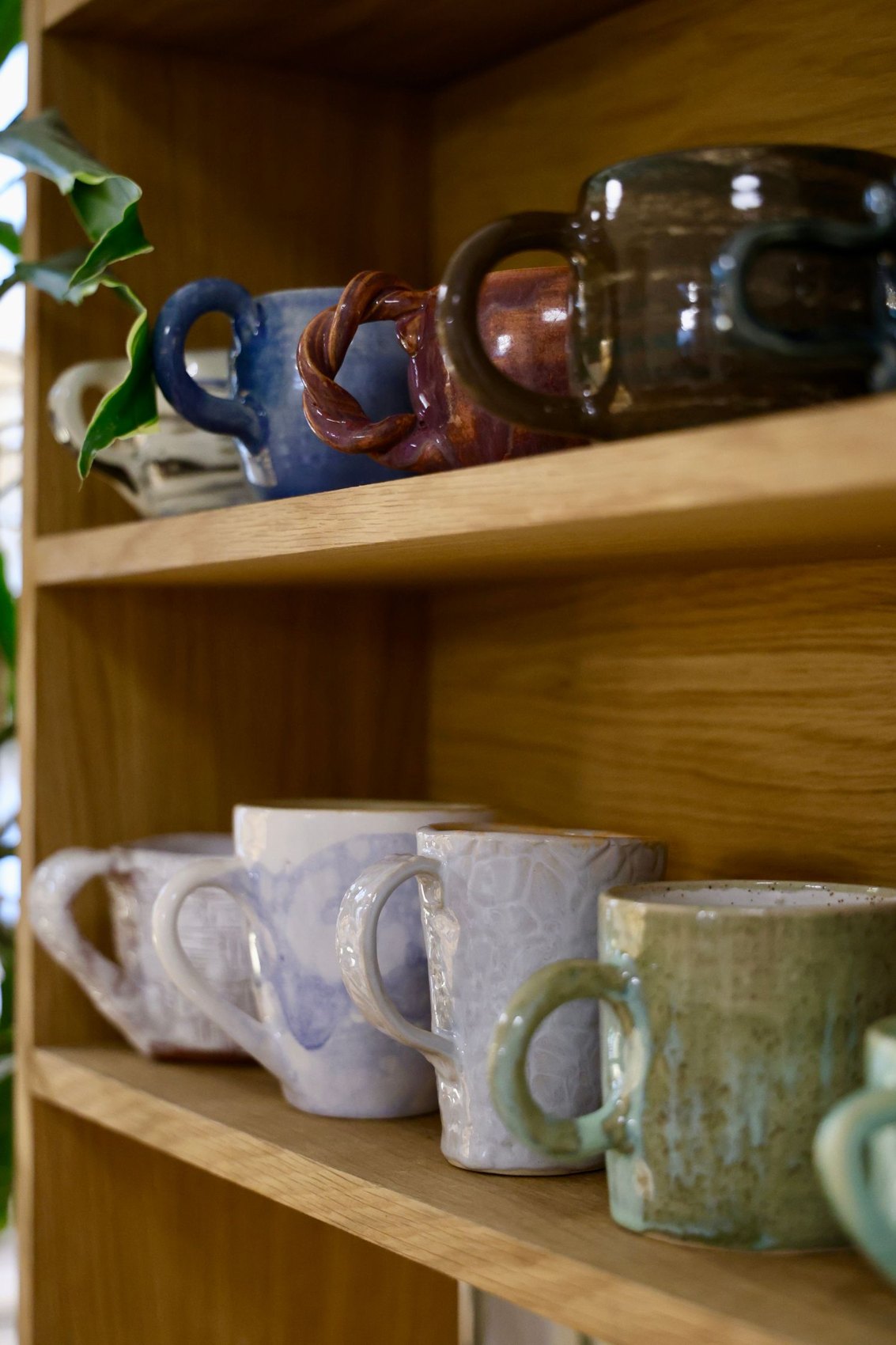
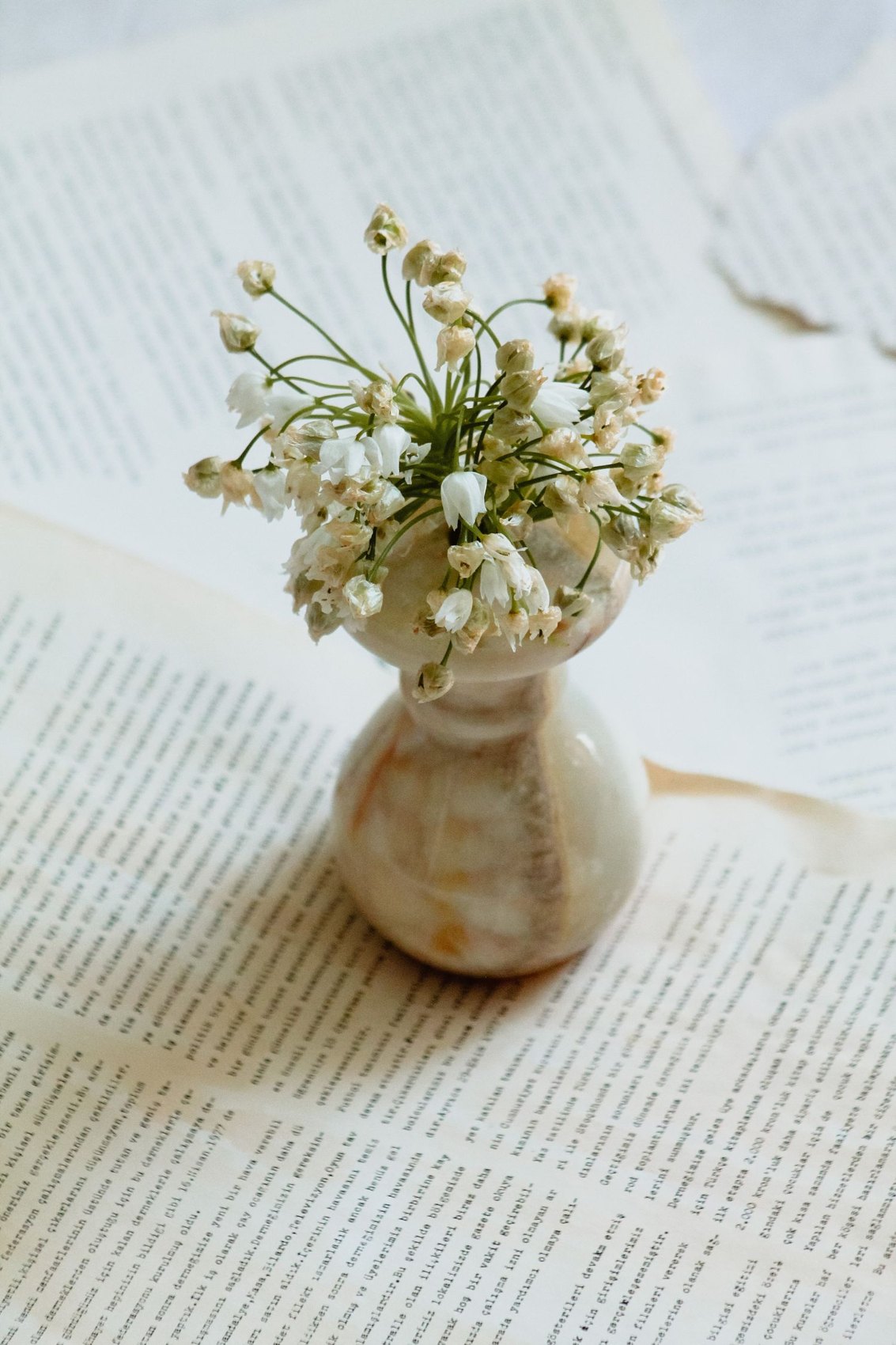
Remove water, plant remains and loose decoration completely. Let the inside dry as well; a narrow opening can make this take longer than drying the outside. Check existing cracks and projecting details. Handles, applied flowers and uneven rims deserve extra attention. Particularly valuable or delicately restored pieces need individually suitable specialist packaging. Existing weaknesses do not disappear under several paper layers and should never be used as lifting points.
Cushion neck and body differently
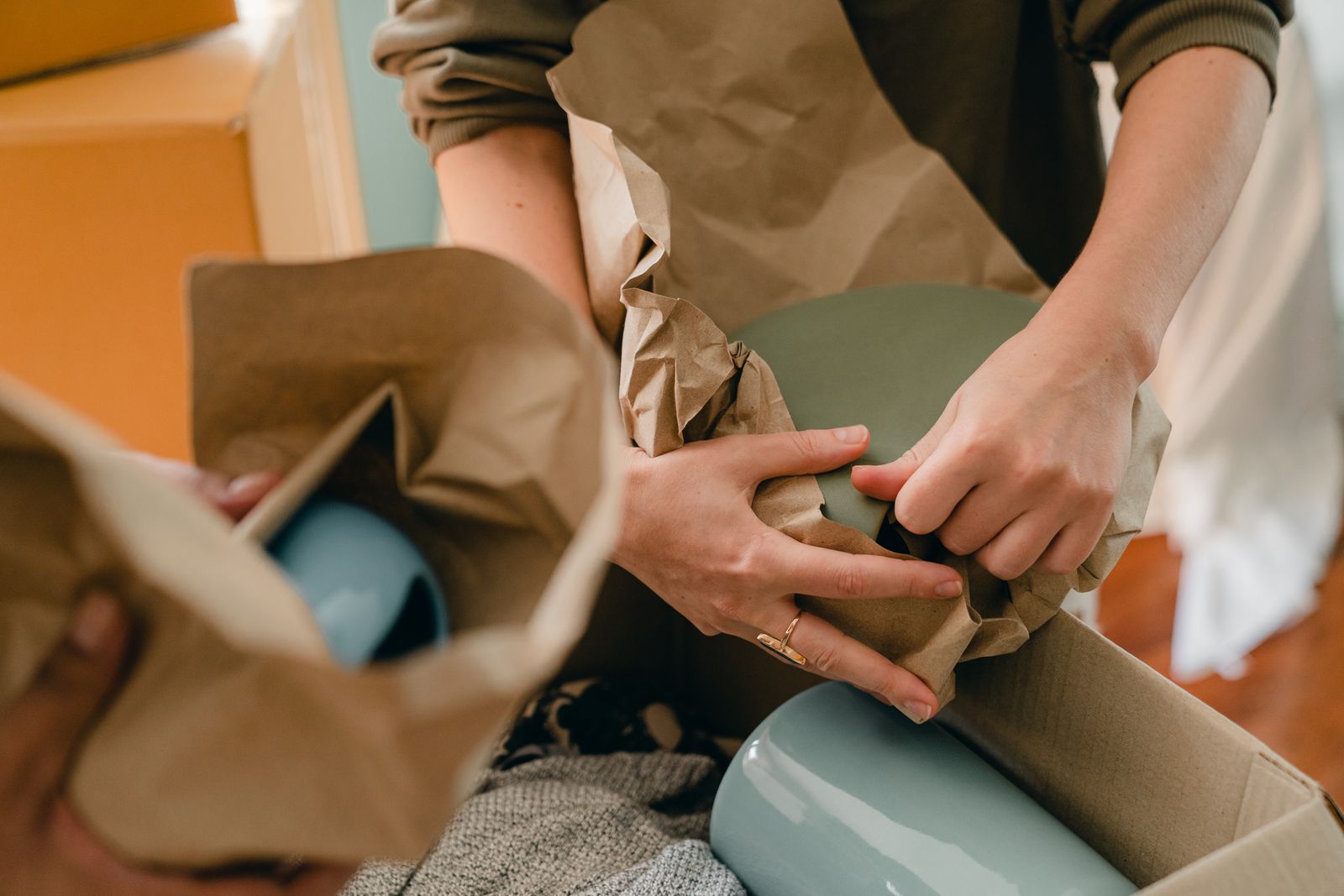
Surround the body with clean soft material and add loose cushioning around the neck. Do not force anything into the narrow opening. A tight plug can load the rim and prove difficult to remove later. Hold the vase by its substantial body rather than lifting it by the neck. Ensure outer wrapping does not form a rigid bridge that transfers knocks directly onto a projecting rim.
Create a separate supported position
Choose a sound box with space for cushioning on every side. The vase must not touch the base unprotected or lean against an outer wall. Support it against tipping without trapping the neck. Do not fill remaining corners with heavy objects. If several vases share a box, each needs a separate protected position; nesting their openings inside one another is not an appropriate way to create that separation.
Clear space before opening
Mark the intended orientation and delicate contents. Do not plan to use this box as a load-bearing base for further boxes. At the destination, remove upper cushioning slowly and identify a secure grip on the body first. Avoid pulling on the first visible rim while the vase remains held by tight paper. Check the empty packaging for small removable parts before flattening it and putting it aside.