Create a sheltered handover point
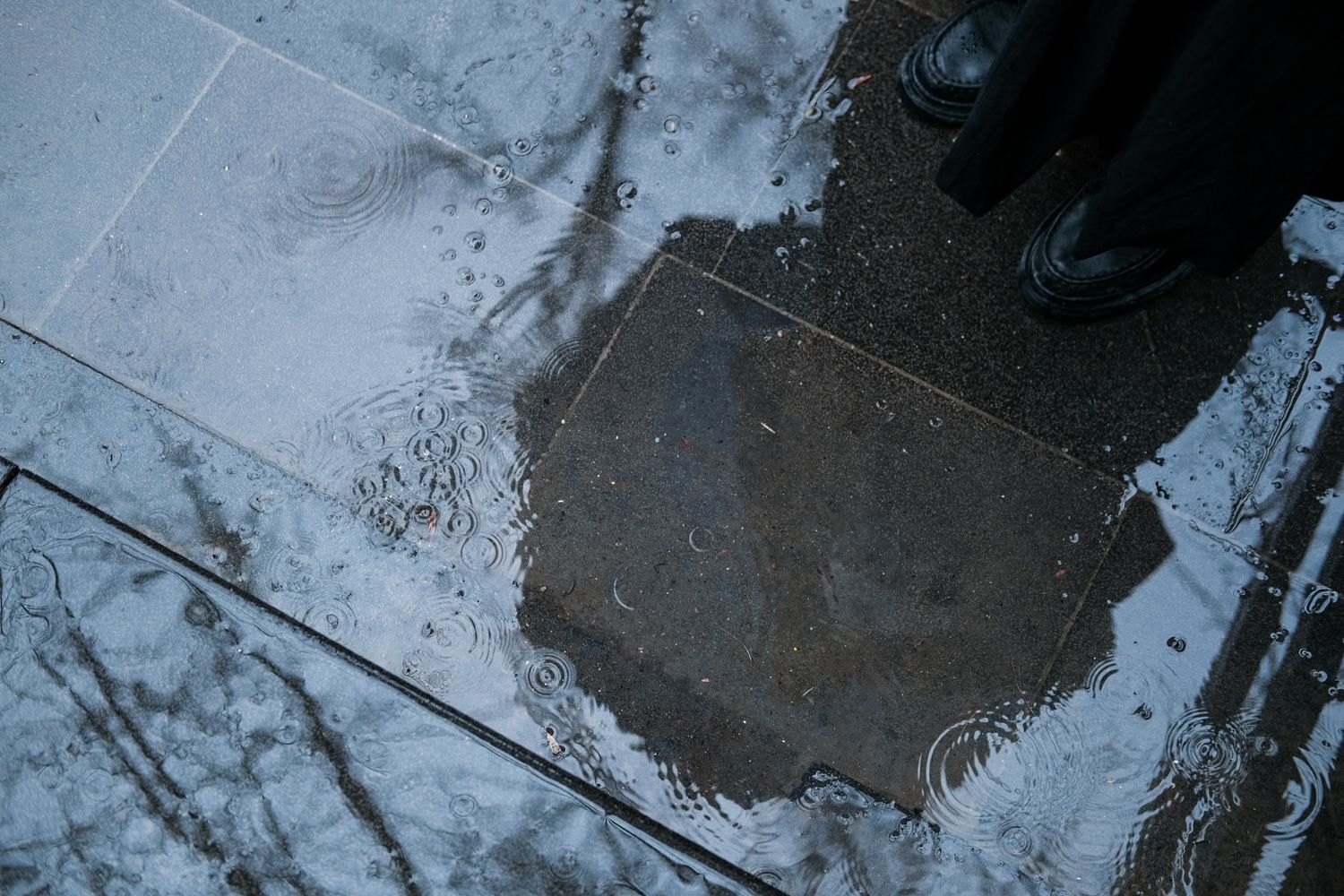
Choose a protected place near the entrance without obstructing shared routes. Helpers working outside can pass boxes to those remaining indoors. Use suitable non-slip floor protection and check regularly for water collecting underneath. Loose towels on smooth flooring do not make a dependable walking surface. Clear discarded packaging promptly so wet plastic and paper do not end up under people's feet during carrying.
Limit time outside
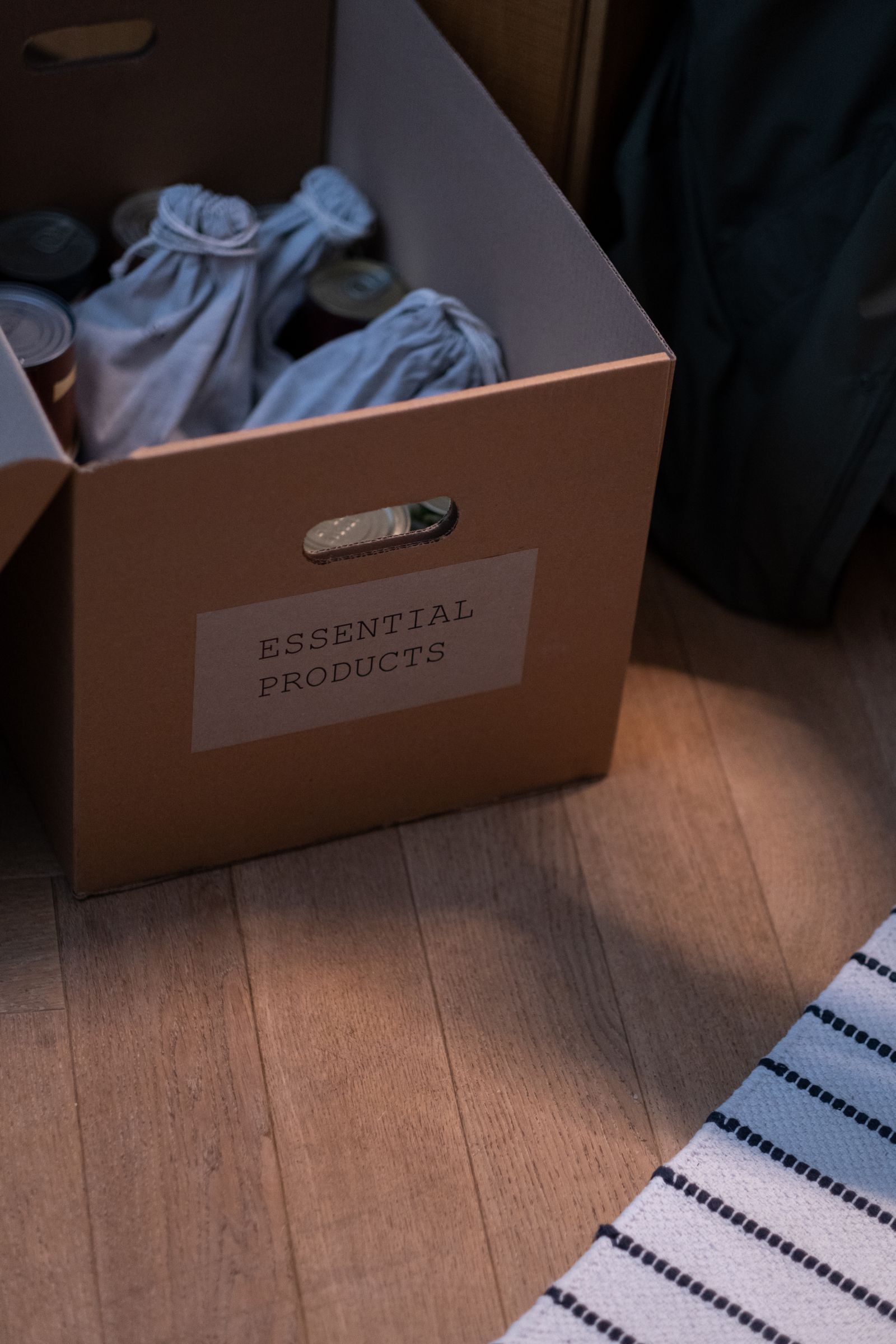
Bring boxes outdoors only when they can go directly into the vehicle. Do not pack or set them down on wet ground. Rain protection must not make the box difficult to grip or unstable to carry. Repack thoroughly soaked cardboard rather than lifting it by softened handles. Particularly sensitive contents may benefit from a suitable inner barrier, but this cannot replace cushioning or a sound outer container.
Treat textiles and devices carefully
Use clean, suitably sized covers for mattresses, bedding and upholstered furniture. Pack only dry items and remove temporary weather protection once indoors in a dry space, so trapped moisture does not go unnoticed. Keep electronics away from water. If a device becomes wet or arrives from a very cold environment, follow its manufacturer's guidance before switching it on; wiping the outside is not enough to assess it.
Let conditions shape the pace
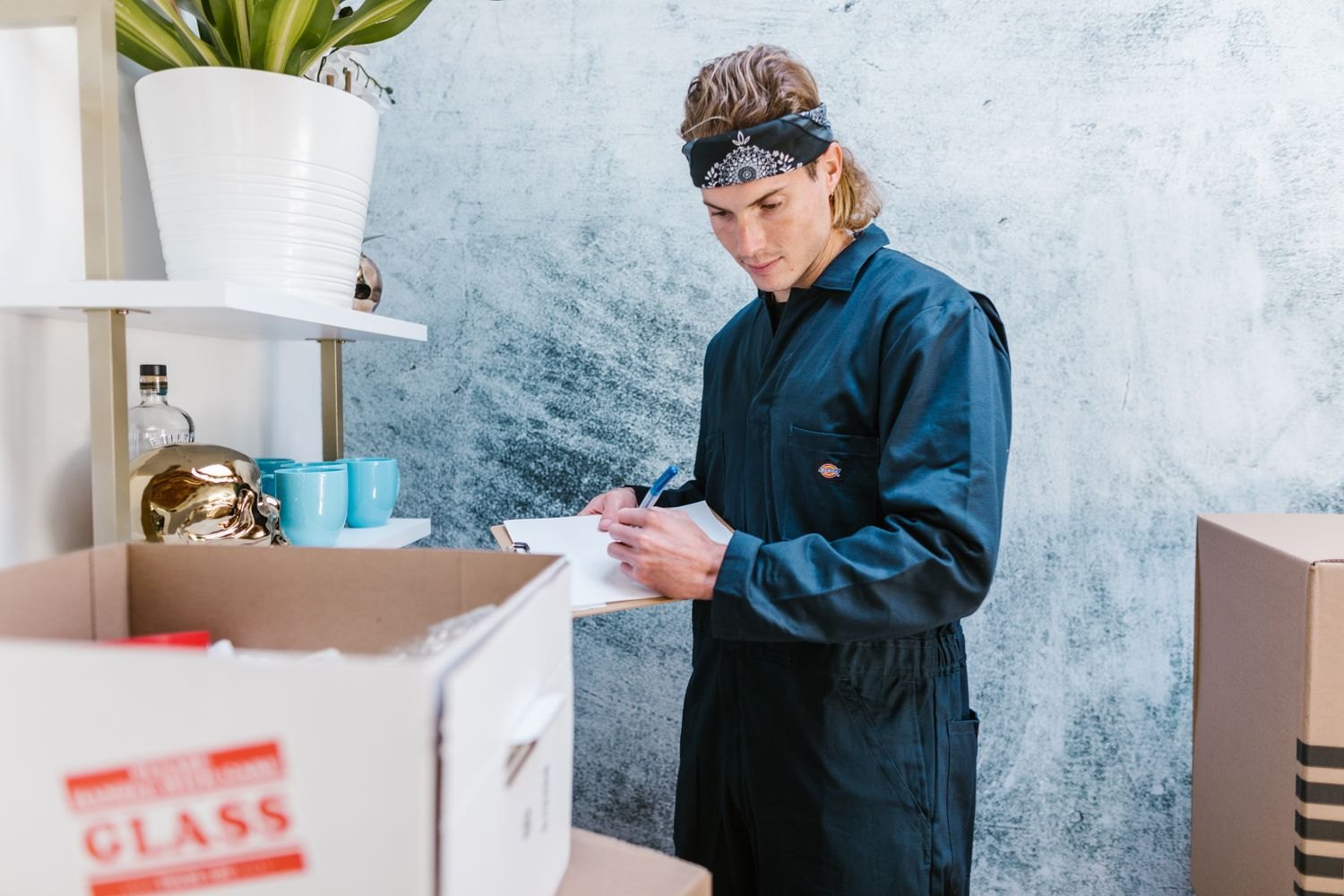
Use shorter loading stages and allow extra time around the entrance. Wipe handling equipment before rolling it over delicate floors. If strong wind or other conditions cannot be managed safely, pause the affected work and agree what to do next. Inspect box exteriors during unloading. Damp packaging should not disappear unchecked beneath dry boxes in a poorly ventilated room where you may overlook it for days.
Assigning someone to the entrance helps identify and deal with wet areas promptly.