Choose before putting away
Check each item for marks, loose buttons and repairs. Decide now whether it still fits and is genuinely worth keeping. Clothing that already spent the previous season unworn needs a deliberate decision, rather than an automatic new place in storage. Clean the selected items according to their care labels and dry them completely.
Empty pockets and inspect sleeves, hoods and thick cuffs. Moisture can remain there after washing even when the outside feels dry. A forgotten tissue or old receipt makes later cleaning harder and has no useful place in a winter clothing box.
Consider shape and fabric
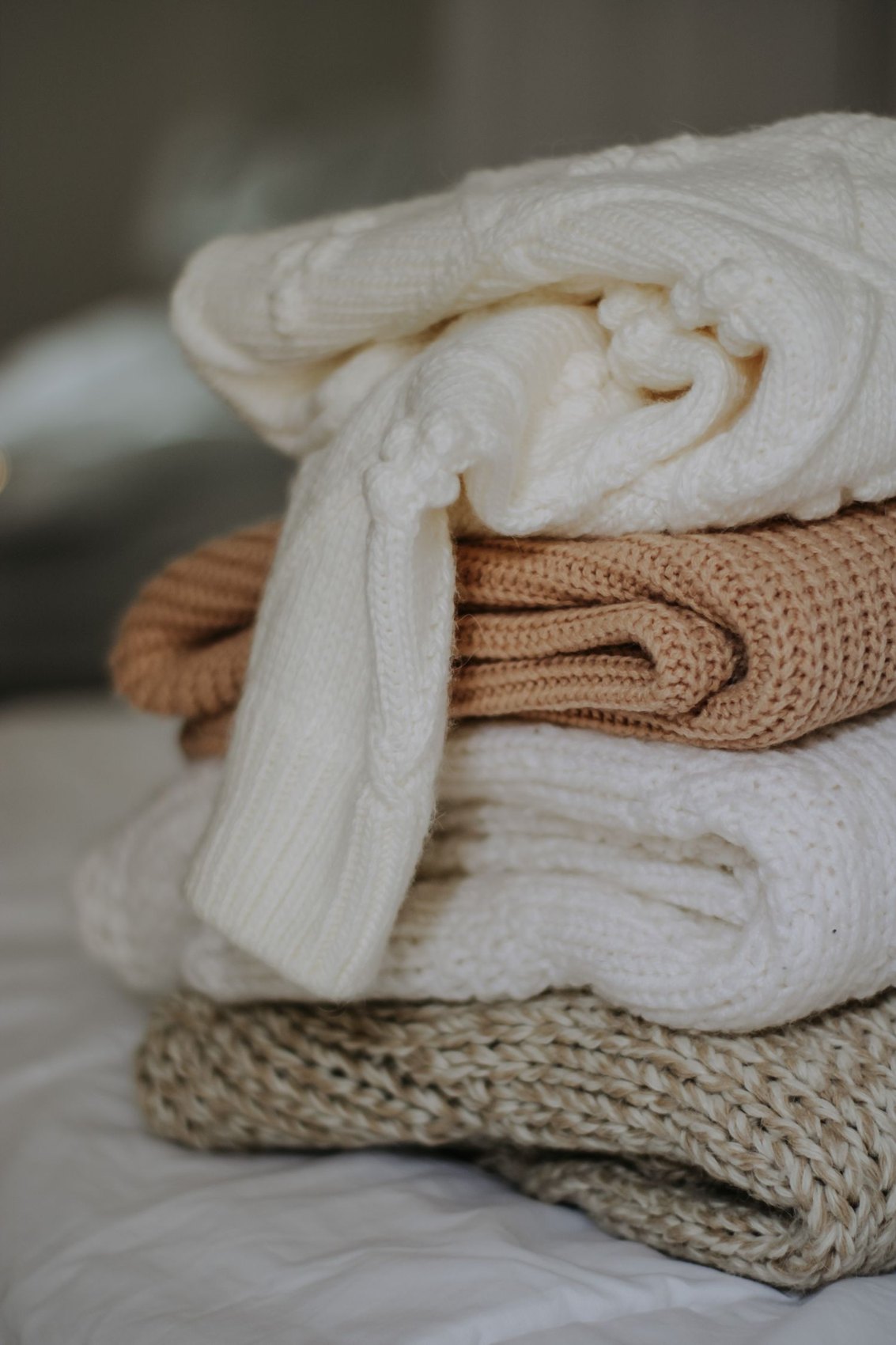
Choose storage that helps the garment retain its shape. Heavy knitwear is often better folded than suspended from narrow hangers, while the care guidance for the particular piece still takes priority. Structured jackets need adequate room. Do not force sleeves into a small container merely to make the lid close.
Vacuum bags are not a universal answer. Heavy compression may be unsuitable for some fillings or shaped components. Use this packaging only where the care and manufacturer guidance support it. A properly sized box with loosely arranged contents can be more practical when individual items may be needed during storage.
Make the stock easy to find
Sort by person and clear groups, such as winter tops or summer trousers. Write the season and relevant sizes on the visible side of the container. A short inventory is more informative than a picture of a closed stack. Keep shoes and dirt-prone equipment separate from clean textiles.
Choose a suitable dry location with conditions you can check, and inspect the clothing occasionally. Open the containers ahead of the seasonal change so there is time for airing, gentle crease removal or alterations. Clean and dry empty packaging instead of immediately filling it with the next group without checking its condition.