Check cleanliness and condition
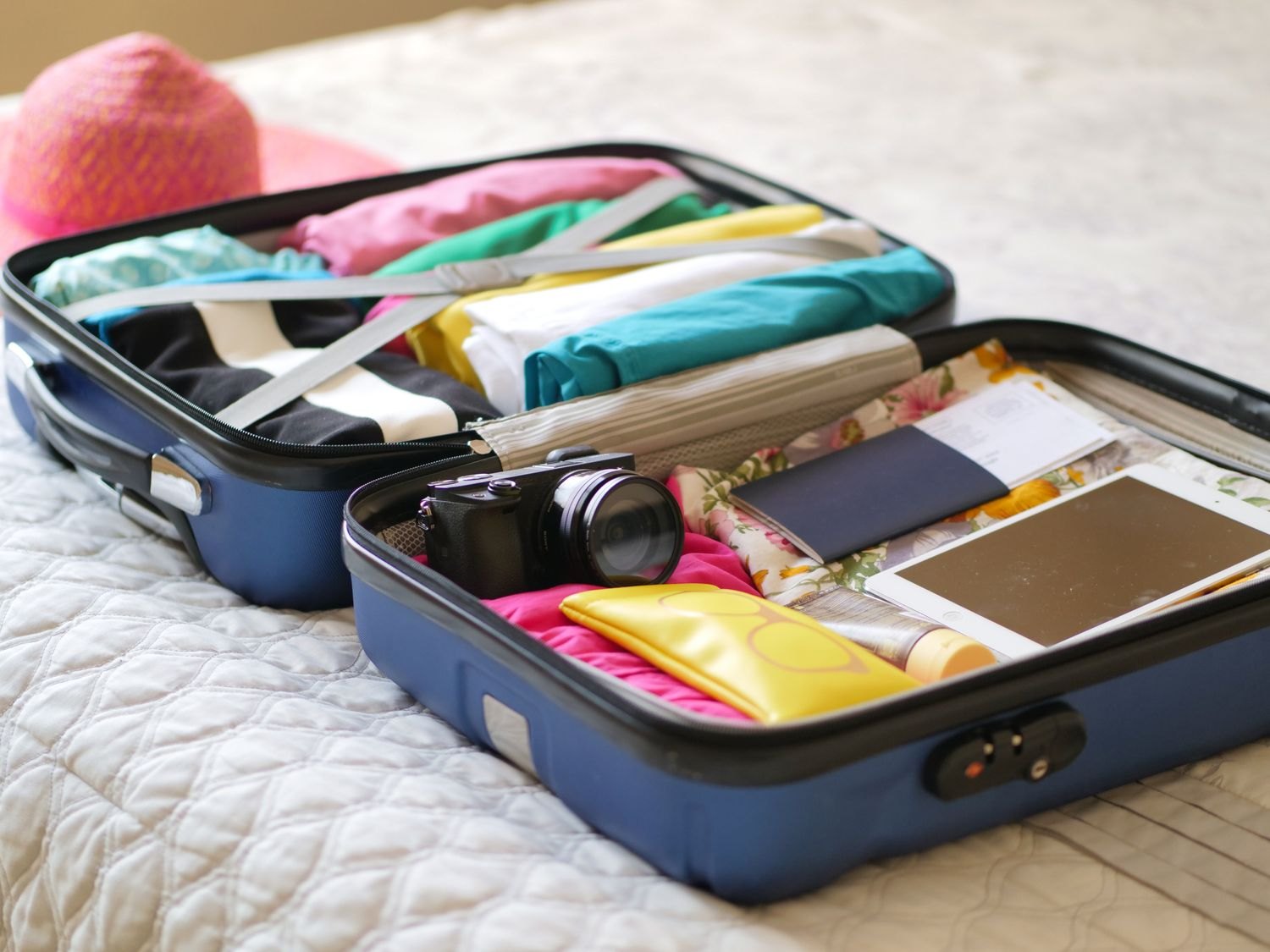
Open every compartment after travelling and inspect the lining, pockets and zips. Remove crumbs and forgotten belongings, then clean the case according to its care instructions. Allow moisture to dry completely before storing anything inside.
Check that the storage position is dry and accessible. A suitcase beside a damp cellar wall does not become a better storage solution simply because it contains clothes. Keep routes clear and position it where it cannot roll or topple.
Choose one related group
Clean seasonal textiles or lightweight travel accessories may work, depending on materials and storage conditions. Avoid damp footwear, food and products liable to leak. Fragile objects and heavy tools usually deserve another clearly organised location. You should still be able to move the filled case in a controlled way without overloading it.
Use internal compartments deliberately and collect smaller groups in clean bags where helpful. Write a contents note and place it on top. A discreet external tag can show the same category. Avoid a label that describes only the top layer while unrelated belongings accumulate beneath it and surprise you next time.
Plan for the next trip
Arrange stored items so they can be removed in a few complete groups. Decide where those groups will go when the suitcase is needed. Otherwise, a new heap appears on the bed immediately before departure while you are also trying to gather clothing and documents for the journey ahead.
Check condition and contents whenever you reopen the case. Update the note when anything is removed permanently. With several suitcases, use distinct, understandable categories. This saves extra containers without creating a system in which every search requires opening all your luggage to discover where one small belonging was put away.