See what you own before shopping
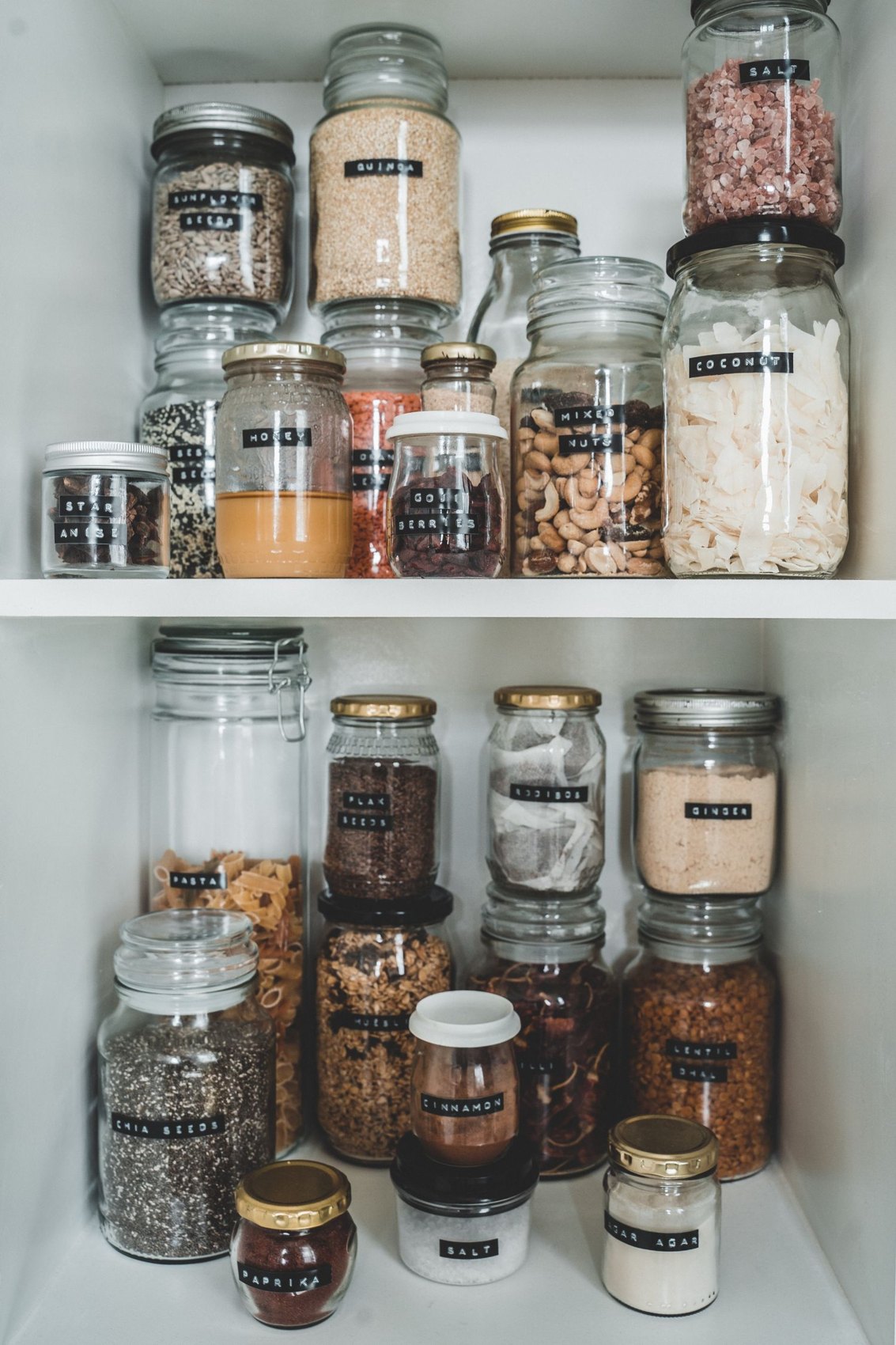
Empty one shelf at a time and group similar products. Check packaging condition, storage instructions and date information. Plan which open supplies you can use before the move. During the final days, avoid automatically replacing the same quantities that normally appear on your shopping list.
Do not pack damaged, leaking or unusual-looking packages among sound supplies without checking them. If unsure whether a food is usable, consult manufacturer guidance or appropriate food-information resources. Moving is no reason to make questionable contents unidentifiable by transferring them into another container.
Protect dry supplies and jars separately
Close opened dry products so they cannot spill. Keep the product name and relevant instructions when additional outer packaging is needed. Flour, spices and other fine contents need a reliably closed enclosure, not merely a loosely folded packet edge.
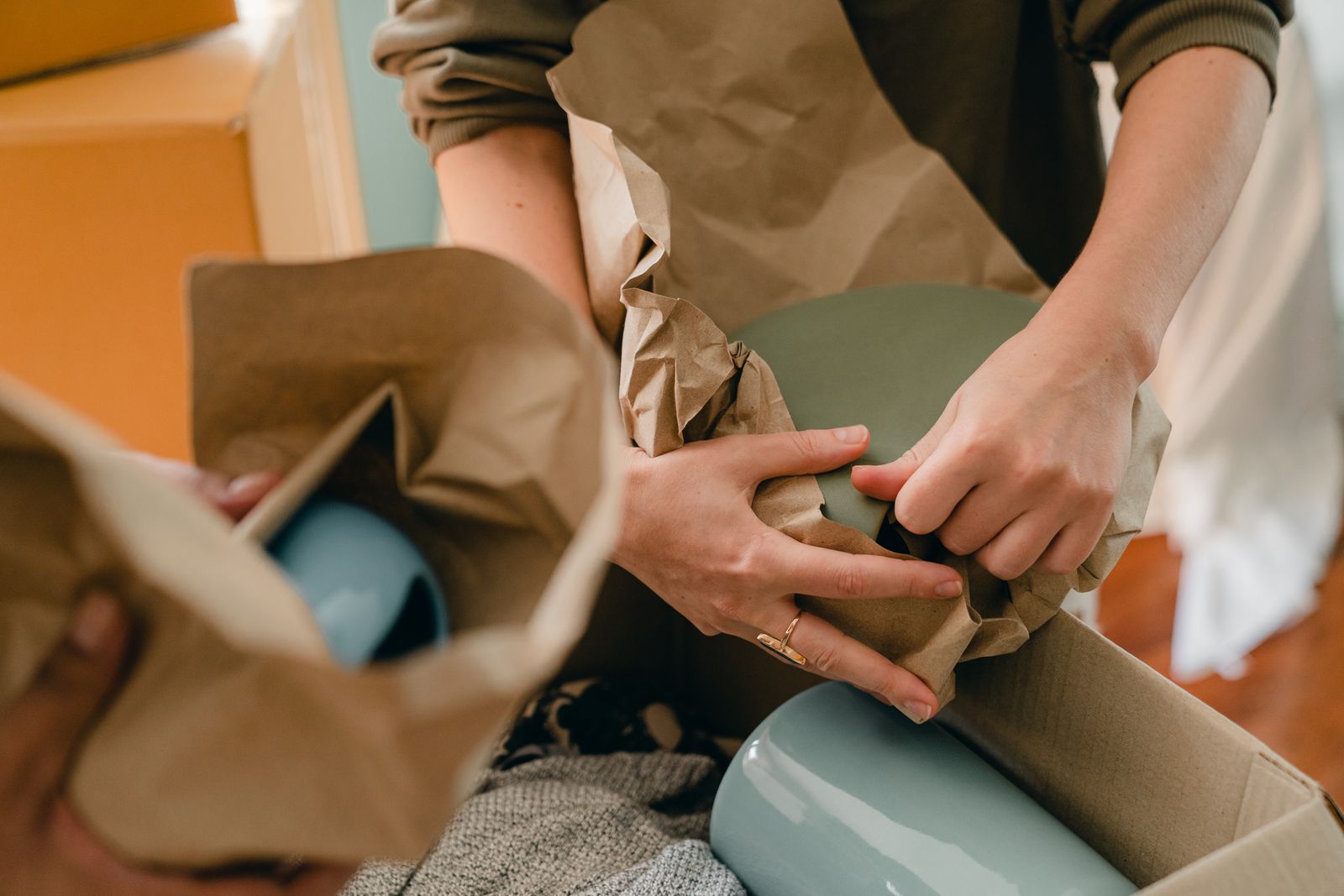
Stand jars upright, cushion them individually and divide their weight between smaller containers. Separate them from soft packets that hard edges could damage. Do not use second-hand boxes with unknown contamination for food. Cleaning products should travel in another box.
Plan cooling and arrival separately
Products requiring refrigeration do not belong in an ordinary dry pantry box. Arrange suitable cooling according to the products and the actual journey duration. If you cannot maintain the necessary conditions, reduce those supplies beforehand instead of relying on a last-minute improvised solution.
At the destination, briefly inspect supplies before putting them away. First move products with time-sensitive storage needs to their proper locations. Then arrange shelf-stable food so opened packets remain visible rather than disappearing behind fresh shopping.